Is Black Pepper Essential Oil Safe? Side Effects and Precautions
Quick answer: Black pepper essential oil is generally well-tolerated on skin when properly diluted, and it isn't considered a known irritant on intact skin at standard dilution. Oxidized or neat oil is a different story: aromatherapy safety literature flags it as a sensitizer. It isn't approved for ingestion in its aromatherapy-bottled form, and it should stay clear of eyes and mucous membranes.
Key Takeaways
- At standard dilution, black pepper essential oil is not considered a known irritant on intact skin, but oxidized or neat oil carries a documented sensitization risk.
- How you store the bottle directly affects how the oil ages. Oxidized stock is the version flagged as a sensitizer in the safety literature.
- Clinical aromatherapy references commonly cite a 1 to 3 percent topical dilution range for healthy adults; always patch test first.
- Pregnancy, young children, and pets call for a more conservative approach and a conversation with a qualified provider before any use.
- Food-grade GRAS numbers for black pepper flavoring extracts do not carry over to a retail aromatherapy bottle; ingestion is not recommended without direct professional guidance.
- Keep the oil away from eyes and mucous membranes, and know the Poison Control number: 1-800-222-1222.
Table of Contents
- Topical Sensitization and the Role of Oxidation
- Dilution Guidelines: How Much Is Safe on Skin
- Special Populations: Pregnancy, Children, and Pets
- Ingestion: Why Food-Grade Approval Doesn't Carry Over
- Eye Contact, Mucous Membranes, and When to Seek Care
- Choosing and Storing a Bottle You Can Trust
- Final Word
Black pepper essential oil, steam-distilled from the dried fruit of Piper nigrum, has a warm, dry, slightly woody aroma that shows up in everything from grounding blends to massage oils. Most of the safety questions people ask about it come down to three things: what happens to the oil as it sits in the bottle, how much of it touches the skin at once, and whether it is appropriate for a given person or situation. This guide walks through each of those questions in the order a working aromatherapist actually triages them, starting with the chemistry that drives the single biggest risk factor: oxidation.

Black Pepper Essential Oil
Our own Black Pepper Essential Oil, in sizes from 0.5 oz to bulk.
From $11.99
Shop Now →Topical Sensitization and the Role of Oxidation
The most load-bearing fact in black pepper oil safety is this: it is not the fresh, well-stored oil that shows up as the concern in the literature. It is the oxidized oil. Essential Oil Safety, the reference text by Robert Tisserand and Rodney Young (2nd edition, 2014), lists black pepper oil among the mid-strength dermal sensitizers specifically tied to oxidation. No fixed IFRA-style dermal maximum has been published for black pepper oil on its own, and the authors treat that as a gap in the testing record rather than a clean bill of health. In plain terms: the absence of a published ceiling number is not the same as a guarantee of safety at any dose.
Here is the mechanism in simple terms. Black pepper essential oil is rich in monoterpenes, volatile compounds that react with oxygen over time once the bottle is opened and air gets in. That reaction changes the chemical makeup of the oil, and the resulting oxidation byproducts are what correlate with skin sensitization in patch-test research on monoterpene-rich oils generally. A bottle that has sat open on a windowsill for a year is, chemically speaking, not the same material as the oil that went through safety testing when fresh. This is also why neat (undiluted) application compounds the risk: a higher localized dose of any sensitizer, oxidized or not, gives the immune system more to react to with repeated exposure.
The practical takeaway is almost entirely about handling. Keep the cap tight, store the bottle away from heat and light, and don't let it linger half-used for years. Our full breakdown of how to store black pepper essential oil and its realistic shelf life covers the specifics: bottle material, temperature, and how to judge when a bottle has aged past its useful window. Pairing good storage with a patch test before any new blend is the single most effective pair of habits for keeping black pepper oil side effects to a minimum.
Dilution Guidelines: How Much Is Safe on Skin
Once storage and oxidation are accounted for, the next variable is concentration. Clinical aromatherapy references commonly cite a topical dilution range of roughly 1 to 3 percent for healthy adults, meaning the essential oil makes up that share of the finished blend, with the rest being a carrier oil such as jojoba, fractionated coconut, or sweet almond oil. A 1 percent dilution works out to about 6 drops of essential oil per 30 ml (1 oz) of carrier, which is a sensible starting point for anyone new to black pepper oil on skin. Facial applications generally call for the lower end of that range or less, since facial skin tends to be thinner and more reactive than skin on the body or limbs.
Dilution math is only half the picture, though. A patch test before wider use is the step that actually tells you how your own skin responds, and it matters regardless of how conservative your dilution is. Our dedicated article on black pepper oil on skin: dilution rates and patch test basics has the full chart broken down by application type, along with step-by-step patch testing instructions. If you only read one linked article from this guide, make it that one before you blend anything.
A few general principles worth repeating: never apply the oil undiluted, reduce your dilution further for sensitive or compromised skin, and avoid areas with broken skin, rashes, or visible irritation. If a blend causes stinging or burning, that is a signal to wash it off and reduce concentration next time, not an indicator that the oil is working as intended.
Special Populations: Pregnancy, Children, and Pets
During pregnancy and while breastfeeding, the standard, conservative guidance from most professional aromatherapy organizations is to consult a qualified healthcare provider before introducing any new essential oil, black pepper included. This is not a period for experimenting with a warming, potentially sensitizing oil on skin that may already be more reactive than usual, and any decision here should sit with a physician, midwife, or certified aromatherapist familiar with your situation.
For children, black pepper essential oil is generally not recommended, particularly for younger children, given its warming, stimulating character and the thinner, more permeable skin barrier common in early childhood. If a parent or caregiver is considering any essential oil product for a child, that conversation belongs with a pediatrician or a qualified aromatherapist who specializes in work with younger age groups, not with a blog post.
Pets metabolize aromatic compounds very differently from people, and cats in particular lack some of the liver enzymes needed to process many essential oil constituents efficiently. Diffusing or applying any essential oil, including black pepper, around animals warrants a conversation with a veterinarian first, especially in households with cats, small mammals, or birds. For additional specifics across common questions like these, our black pepper essential oil FAQ is a good next stop.
Ingestion: Why Food-Grade Approval Doesn't Carry Over
This is one of the more commonly confused points in black pepper oil safety, so it's worth stating plainly: ingesting black pepper essential oil is not recommended without the direct guidance of a qualified aromatherapist or physician. That guidance matters because of a distinction that's easy to miss.
Black pepper flavoring extracts used in the food industry carry FEMA GRAS numbers 2844, 2845, and 2846, recognized under 21 CFR 182.20 as generally recognized as safe for their intended food use. That status, however, applies to specific manufactured flavoring preparations used by food processors under controlled conditions and concentrations. It does not apply to a retail bottle of steam-distilled essential oil sold for topical and aromatic use. The two products are not interchangeable, and a GRAS listing for a food-industry ingredient is not a green light for swallowing drops from an aromatherapy bottle at home.
If your interest in black pepper oil is actually about digestion rather than ingestion itself, there is a topical route that many aromatherapists use instead. Our guide to black pepper essential oil for digestion and abdominal massage walks through that approach, including appropriate dilution for abdominal application, as an alternative to taking the oil internally.
Eye Contact, Mucous Membranes, and When to Seek Care
Black pepper essential oil should be kept well away from the eyes, inner nose, lips, and other mucous membranes, where tissue is thinner and far more reactive than skin on the body. Essential oils do not rinse away with water alone, since oil and water don't mix; if the oil gets into the eyes, flushing generously with a bland carrier oil (such as plain vegetable oil) or whole milk, rather than water alone, is the more effective first response, followed promptly by professional care if irritation, redness, or discomfort persists.
If the oil is swallowed, gets into a child's or pet's mouth, or causes a reaction that doesn't resolve quickly with basic first aid, contact Poison Control right away at 1-800-222-1222 in the United States, or seek emergency care. Keep the bottle and its label on hand when you call, since the person assisting you will want to know the exact product and concentration involved. None of this should be read as a reason to panic over ordinary, well-diluted topical use; it's simply the information worth having on hand before you need it.
Choosing and Storing a Bottle You Can Trust
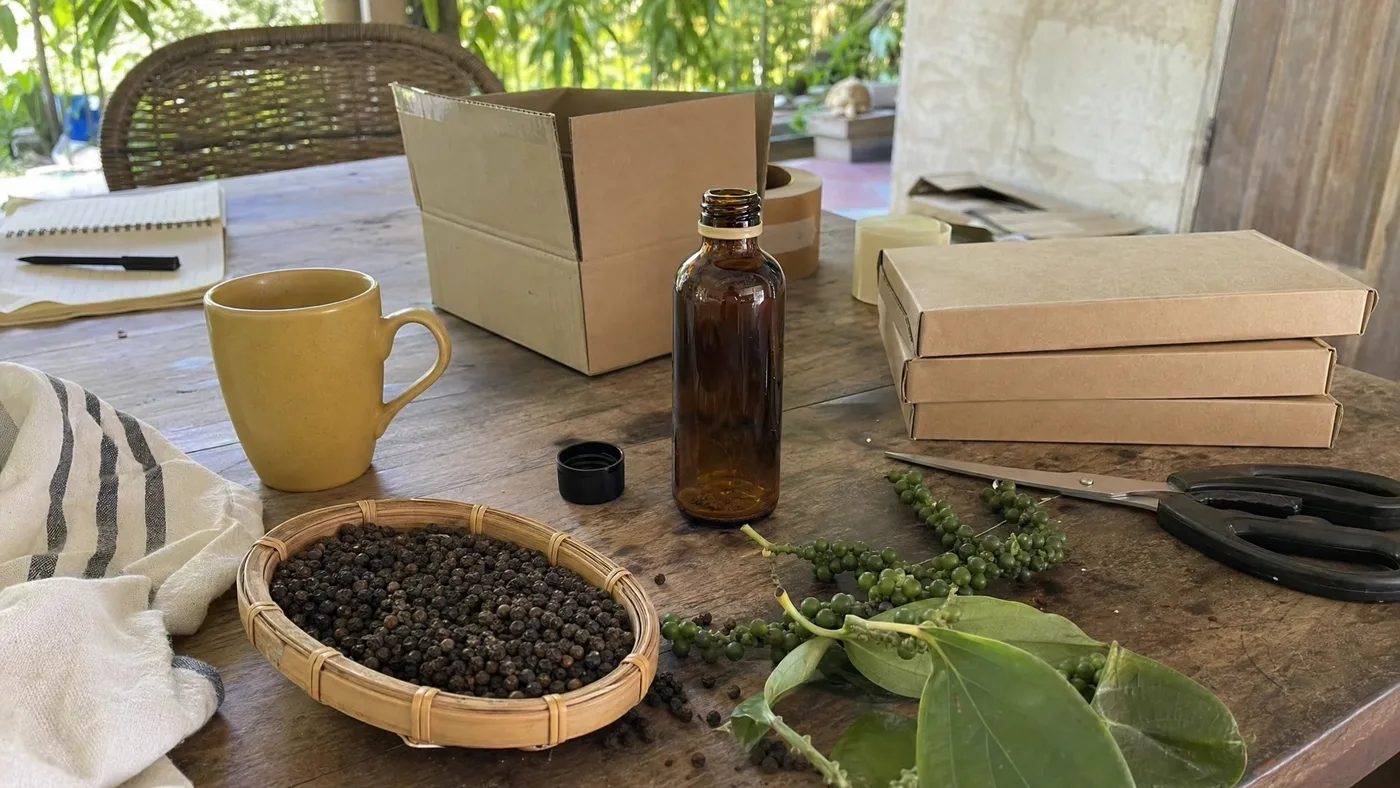
Since oxidation is the thread running through most of the sensitization concern covered above, where your bottle comes from and how it's packaged genuinely matters. Look for oil that is clearly labeled with its botanical name (Piper nigrum), extraction method (steam distillation), and ideally batch or lot information so you can trace quality if questions come up. A dark glass bottle with a tight-fitting cap or dropper top helps slow the oxidation process described earlier, which is one small but meaningful reason packaging quality is worth paying attention to, not just scent or price.
If you're sourcing in larger quantities, whether for a professional practice, a product line, or simply to avoid repurchasing small bottles often, our guide to buying black pepper essential oil in bulk covers what to check for in sourcing, labeling, and storage logistics at scale. Buying a well-stored, properly labeled bottle, and then storing it correctly yourself once it arrives, is the most practical safety step available to any home user or practitioner.
Final Word
Nothing in this guide is medical advice, and it isn't written to replace one. The research cited here, including Tisserand and Young's Essential Oil Safety and the FEMA/21 CFR 182.20 flavoring framework, describes general patterns observed in the literature, not a judgment about your individual skin, health history, or circumstances. Diagnosis and care decisions belong with a licensed physician, pharmacist, or certified aromatherapist who can account for your specific situation, including any medications you take or conditions a qualified provider is already managing for you. Use the sections above as a starting point for better questions to bring to that conversation, not as a final verdict.