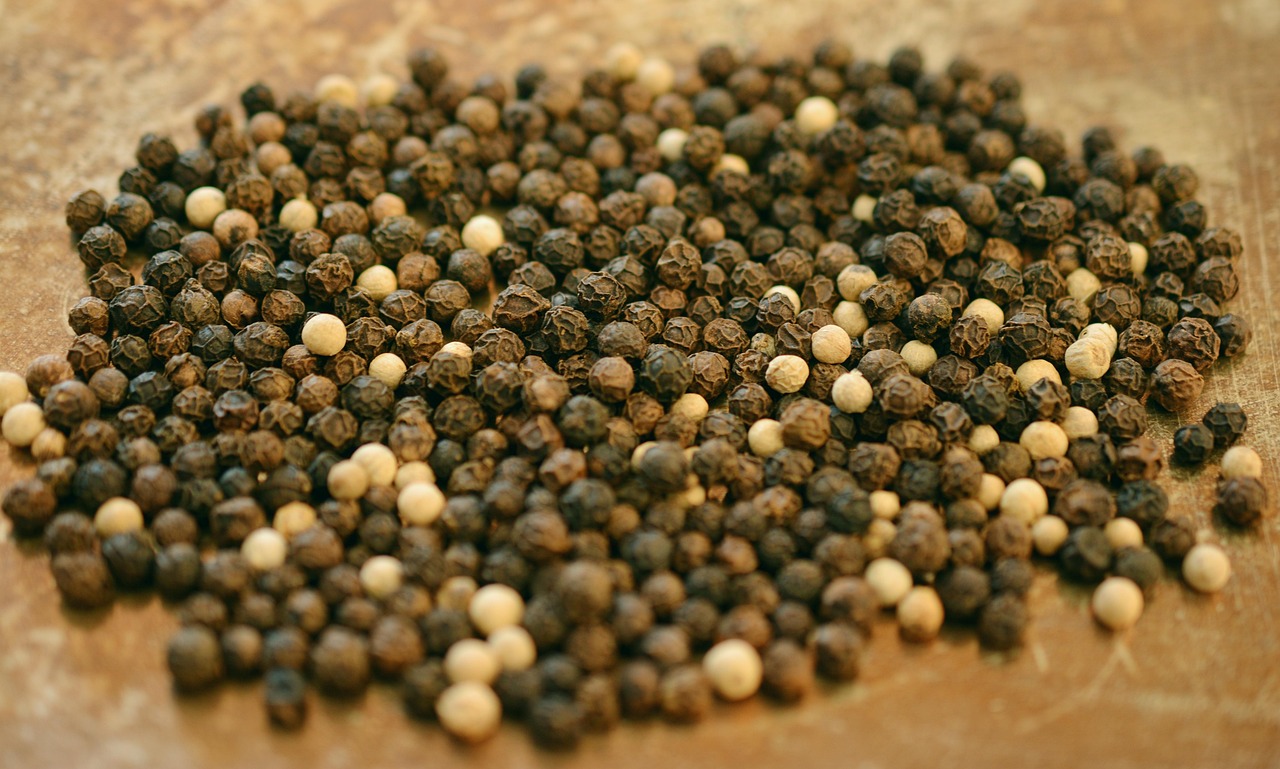
15 Ways to Use Black Pepper Oil Around the Home
Black pepper essential oil tends to live at the back of the cabinet, forgotten behind the lavenders and eucalyptuses of the world. That's a genuine shame. This oil is complex, warm, and surprisingly versatile once you start experimenting with it. If you've been wondering what to do with black pepper oil beyond a vague memory of reading that it "blends well with citrus," this list is for you.
Each idea below is practical, grounded in real aromatic use, and written with everyday home life in mind. You'll find diffuser recipes, DIY projects, and simple rituals that bring this spicy, woody oil into regular rotation. For a broader overview of the oil itself, the complete home and aroma guide to black pepper essential oil uses is a great companion read.
A note before you begin: Black pepper essential oil is potent. Always dilute it properly in a carrier oil (typically 1 to 2 percent for skin applications, meaning 6 to 12 drops per ounce of carrier oil) before any skin contact. Patch test before wider use. Keep all essential oils away from children and pets. If you are pregnant, nursing, or managing a health condition, consult a qualified healthcare provider before use.
1. Morning Diffuser Blend for a Focused Start
There is something about the dry, woody sharpness of black pepper oil that signals alertness without feeling aggressive. Run it through your diffuser first thing in the morning alongside a bright citrus like sweet orange or grapefruit. The combination creates a layered, invigorating atmosphere that feels intentional rather than sterile.
A simple starting blend: 3 drops black pepper, 4 drops sweet orange, 2 drops cedarwood. Add water to your diffuser's fill line and run it for 30 to 60 minutes. The pepper note fades into the background as the session progresses, which many people find pleasant rather than overwhelming.
Practical takeaway: Start with just 1 to 2 drops of black pepper in any blend if you're new to it. You can always add more, but the oil punches above its weight in a diffuser.
2. Warming Pre-Workout Massage Oil
Many people who are active incorporate black pepper oil into a pre-workout massage blend, noting that the warming sensation it creates on the skin feels like a gentle, natural way to prepare the body for movement. This is a cosmetic and sensory application, not a performance claim. The experience is simply pleasant and purposeful.
To make a basic warming massage oil, combine 5 drops black pepper essential oil with 5 drops ginger essential oil in 1 ounce (30 ml) of a carrier oil such as sweet almond or jojoba. Shake gently before use. Massage onto the legs, lower back, or shoulders before activity. This blend has a robust, spicy scent that many find energizing.
Practical takeaway: Avoid applying this blend to the face or any sensitive areas. Wash hands after application and avoid touching eyes. Always patch test a new blend on a small area of skin and wait 24 hours before wider use.
3. Linen Spray for Bedding and Soft Furnishings
A linen spray made with black pepper oil sounds counterintuitive until you actually smell it on fabric. The spicy top note disperses quickly, leaving a soft, warm drydown that works beautifully on bedding, throw pillows, and curtains. Paired with lavender and a touch of vetiver, it becomes a genuinely sophisticated evening scent.
To make a basic linen spray, combine 10 drops black pepper, 15 drops lavender, and 5 drops vetiver in a 4-ounce glass spray bottle. Add 1 tablespoon of witch hazel (this helps the oils disperse in water), then top with distilled water. Shake well before each use and mist from about 12 inches away.
Practical takeaway: Always test the spray on an inconspicuous corner of fabric first. Oils can occasionally mark delicate or dry-clean-only textiles. Distilled water is preferred over tap water to extend shelf life and avoid mineral buildup in the bottle.
4. DIY Reed Diffuser
Commercial reed diffusers rarely feature black pepper as a lead note, which makes a homemade version feel distinctive and a little unexpected. The oil's earthy, peppery character fills a room slowly and evenly, making it well-suited to an always-on format like reeds.
Fill a narrow-neck glass bottle (a cleaned hot sauce bottle works well) with roughly 3 ounces of a light carrier oil such as fractionated coconut oil or safflower oil. Add 30 to 40 drops of your essential oil blend. A good starting point: 20 drops black pepper, 10 drops frankincense, 10 drops bergamot. Insert rattan reed sticks, allow them to soak for a few hours, then flip them. Flip every few days to refresh the scent throw.
Practical takeaway: Keep the reed diffuser out of reach of children and away from polished wood surfaces, as carrier oils can leave marks. Replace the reeds every four to six weeks as they can become clogged.
5. Room Spray for the Home Office
Working from home has renewed interest in creating a genuine sense of atmosphere in everyday spaces. A quick spritz of room spray can shift the mood of a room in seconds, and black pepper oil contributes a grounded, clear quality that feels distinct from the sweetness of most commercial air fresheners.
Try a minimalist office blend: 15 drops black pepper, 15 drops lemon, 5 drops rosemary in a 4-ounce glass spray bottle with 1 tablespoon of witch hazel and distilled water to fill. This combination is fresh without being sharp. Our dedicated guide on making a DIY room spray with black pepper and citrus goes into much more detail on ratios and bottle types.
Practical takeaway: Spray into the air rather than directly onto electronics, papers, or wooden furniture. Two or three spritzes are usually sufficient for an average room. Shake before each use.
6. Scented Drawer Liners

This is one of the quieter uses for black pepper oil, but it's one that people consistently enjoy once they try it. Placing lightly scented paper in dresser drawers or linen cupboards imparts a subtle, lasting fragrance to clothing and linens without the heaviness of a sachet.
Cut sheets of plain craft paper or unbleached parchment to fit your drawer. In a small dish, combine 5 drops black pepper, 5 drops sandalwood, and 3 drops clove bud essential oil. Using a cotton ball or the back of a spoon, spread a small amount of this blend very lightly onto the paper. Allow it to dry for at least one hour before placing in drawers.
Practical takeaway: Avoid direct contact between undiluted oil and fabric, as it can leave permanent stains. The paper acts as a buffer. Replace the liners every few months or when the scent fades.
7. Candle Scenting (Unmelted Wax Blend)
If you make your own candles, black pepper oil is a worthy addition to your fragrance palette. It adds a spicy depth that distinguishes a homemade candle from the usual floral or bakery-scented varieties. It works especially well in soy or beeswax blends where the wax itself has a natural, earthy quality.
A general guideline for soy candles is a fragrance load of 6 to 10 percent by weight of the wax. Essential oils can be used at the lower end of this range. A warming blend to try: black pepper, cardamom, and cedarwood in equal proportions. Add the essential oils to melted wax at the recommended pour temperature for your wax type (usually around 140 to 150 degrees Fahrenheit for soy), stir thoroughly, then pour.
Practical takeaway: Black pepper essential oil's scent throw can diminish more than synthetic fragrance oils do during the burn. Some makers prefer it as a blending note rather than the sole fragrance. Always work in a well-ventilated space when making candles.
8. Closet and Wardrobe Freshener
Closed spaces collect odors, and a natural aromatic solution beats a plug-in every time. Black pepper oil has a character that reads as clean and grounding rather than perfumey, making it effective in closets where you want freshness without competing with the scent of clothing.
Drop 4 to 5 drops of black pepper essential oil onto a small piece of unbleached muslin or a natural pumice stone. Place it in a corner of the closet shelf or hang it from the rod using a small piece of twine. Reapply every two to three weeks. For a more complex scent, add 2 drops of cedarwood or patchouli to the muslin alongside the black pepper.
Practical takeaway: Cedar and black pepper make a particularly good pairing for wool storage, as the combination smells naturally fresh. Keep the scented item away from direct contact with light-colored or delicate fabrics.
9. Diffuser Blend for Evening Wind-Down
Black pepper is not typically the first oil people reach for in the evening, but in small amounts it adds a grounding quality to nighttime diffuser blends. The key is using it at a lower ratio than you might in a daytime blend, letting warmer base notes carry the session.
Try: 1 drop black pepper, 3 drops frankincense, 3 drops ylang ylang, and 2 drops bergamot. Run the diffuser for 30 to 45 minutes before settling in for the evening. The pepper provides structure to what might otherwise be a slightly sweet or flat blend. For more ideas in this style, browse our collection of black pepper diffuser blends for a warm, spicy room.
Practical takeaway: Always diffuse in a well-ventilated room and take breaks rather than running a diffuser continuously. If you share your space with pets, check whether your chosen oils are appropriate, and ensure animals can leave the area freely.
10. Potpourri Refresher
Dried potpourri loses its scent over time, and the usual fix is a synthetic fragrance oil that smells nothing like the botanicals in the bowl. Black pepper essential oil is a more honest option. It complements dried spices, seed pods, and woody botanicals in a way that reads as natural rather than manufactured.
Add 5 to 8 drops of black pepper oil directly to an existing bowl of potpourri, then stir gently to distribute. You can layer it with a couple of drops of cinnamon leaf or clove bud for a fuller spice note. Return to the bowl every week or two as the scent fades. This is one of the most effortless black pepper oil ideas for the home.
Practical takeaway: Avoid placing scented potpourri where children or pets can access it. Even botanicals that have been treated with essential oils pose an ingestion risk. Glass or ceramic bowls are preferred over plastic, which can react with some oils.
11. Whipped Body Butter
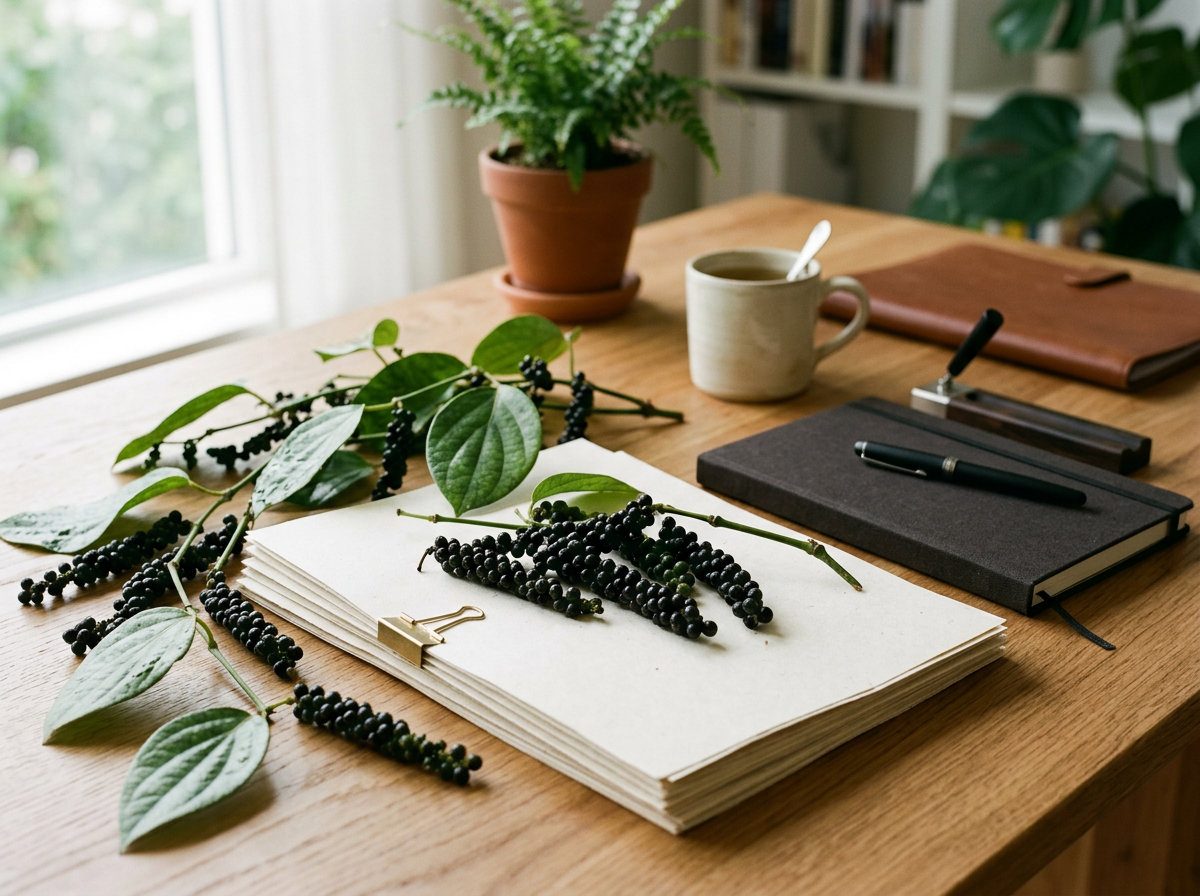
Black pepper oil shows up in some well-crafted artisan body butters for a reason: it adds a gentle warming sensation and a subtle spice note that makes the product feel considered and distinctive. A homemade version lets you control exactly what goes into it.
Melt together 1/2 cup shea butter and 2 tablespoons coconut oil in a double boiler. Allow to cool until the mixture begins to solidify around the edges (about one hour in the refrigerator), then whip with a hand mixer until fluffy. Add 10 drops black pepper, 8 drops ginger, and 10 drops sweet orange essential oil. Whip again briefly to incorporate. Store in a clean glass jar. This recipe makes approximately 4 to 6 ounces of finished product.
Practical takeaway: This blend sits at roughly a 1.5 percent dilution, appropriate for most adults for body use. Do not apply to the face, broken skin, or sensitive areas. Patch test before first use and store away from direct sunlight, which degrades essential oils over time.
12. Scented Beeswax Sachets
Beeswax sachets are a slow-release scent format that many people find more elegant than a cotton ball dropped in a drawer. They're simple to make, they last for months, and the natural wax base gives any essential oil blend a subtle honey undertone that works particularly well with spice oils.
Melt 1 ounce of beeswax pastilles in a double boiler. Remove from heat and allow to cool for two to three minutes, then stir in 20 to 25 drops of your chosen blend (black pepper and cardamom work beautifully here). Pour into small silicone molds or a lined muffin tin and allow to set fully before unmolding. Wrap in a small square of muslin and tie with twine.
Practical takeaway: The scent release from a beeswax sachet is gentle. For stronger throw, scratch the surface lightly with a fingernail to expose fresh wax. These also make thoughtful gifts if you package them simply.
13. Natural Moth Deterrent for Linen Storage
There is a long tradition of using strongly scented botanicals to deter moths from stored wool and linen. Cedar is the most familiar, but several other essential oils are used in this context as well, including black pepper. While this is not a guaranteed pest control method and should not replace careful storage practices, many people find that scented sachets are a worthwhile addition to a storage routine.
Combine 10 drops black pepper, 10 drops lavender, 8 drops cedarwood, and 5 drops clove bud on a small piece of absorbent felt or unbleached muslin. Place the sachet in a sealed storage bin or vacuum bag with your stored textiles. Refresh the scent every two to three months by adding a few more drops.
Practical takeaway: This is a supplementary measure, not a standalone solution. Clean textiles thoroughly before storage, as moths are attracted to natural fibers that contain organic residue. Store in a cool, dark location.
14. Shower Steamers
A shower steamer dissolves slowly on the floor of your shower, releasing bursts of steam-activated fragrance as it breaks down. Black pepper oil is particularly effective in this format because the humid heat amplifies its spicy, resinous character in a way a cold room simply cannot.
Mix 1 cup baking soda with 1/3 cup citric acid in a bowl. Add 1 tablespoon of a carrier oil (fractionated coconut works well here as it disperses in water) and stir quickly. Add 25 to 30 drops of essential oil blend (3 parts black pepper, 2 parts eucalyptus, 1 part lemon is a favorite combination) and mix thoroughly. Press firmly into a silicone mold and allow to dry for 24 to 48 hours. Use one steamer per shower, placing it away from the direct stream of water.
Practical takeaway: Shower steamers are for aromatic use only. They are not bath bombs and should not be used in standing water. The floor can become slippery; place the steamer in a corner where water hits indirectly and step carefully.
15. Personalized Eau de Cologne Base
Creating a personal fragrance at home is one of the more rewarding uses for black pepper oil, and one that many people overlook entirely. Black pepper functions as a top-to-middle note in perfumery, providing that first bright, spicy impression before rounding into something warmer. It pairs well with citrus, wood, and resin notes.
A simple cologne formula to start with: combine 15 drops black pepper, 10 drops bergamot, 8 drops vetiver, and 5 drops labdanum in a 1-ounce glass spray bottle. Add enough high-proof perfumer's alcohol (190-proof ethanol or perfumer's grade) to fill. Seal and allow the blend to rest for at least 48 hours before using, though a week or two of resting produces a more integrated scent. This creates a roughly 7 to 8 percent dilution, appropriate for a cologne-strength formula.
Practical takeaway: Apply cologne to clothing rather than directly to skin if you notice any sensitivity. Bergamot is phototoxic in its standard form, meaning it can react with sunlight on skin. Use bergamot FCF (furanocoumarin-free) if you plan to apply it to exposed skin. Store your finished cologne in a cool, dark location.
Bringing It All Together
Black pepper essential oil rewards curiosity. Most of the ideas above cost very little to try, and a single 5ml or 10ml bottle will take you through several experiments before you need to restock. The range here is genuinely wide: from something as quiet as a scented drawer liner to something as personal as a homemade cologne.
If you're still building your confidence with this oil, start with the diffuser blends. They're low-commitment, easy to adjust, and they'll give you a quick education in how black pepper interacts with the other oils in your collection. Once you know its character well, you'll find yourself reaching for it far more often than you expected.
For a deeper look at sourcing quality oil and understanding what to look for on a label, visit our complete guide to black pepper essential oil uses in the home and for aroma. Good oil makes a genuine difference in every application above, and it's worth knowing what you're buying before you commit to a brand.