
Black Pepper Essential Oil Properties: Notes, Chemistry, and Character
Black pepper essential oil is one of the more chemically complex oils in the aromatic world, and it rewards close study. Distilled from the dried, unripe fruits of Piper nigrum, the oil carries a profile that is sharper, drier, and far more nuanced than the spice you reach for at the dinner table. Understanding what is actually inside the bottle, and why those compounds matter for cosmetic and aromatic use, gives you a meaningful edge when blending or formulating.
This deep dive covers the key chemical constituents, what researchers have observed about their behavior, the aroma character and note classification, and what separates a well-sourced oil from a mediocre one. If you are new to this oil and want broader context first, the complete guide to black pepper essential oil is a good starting point before returning here.
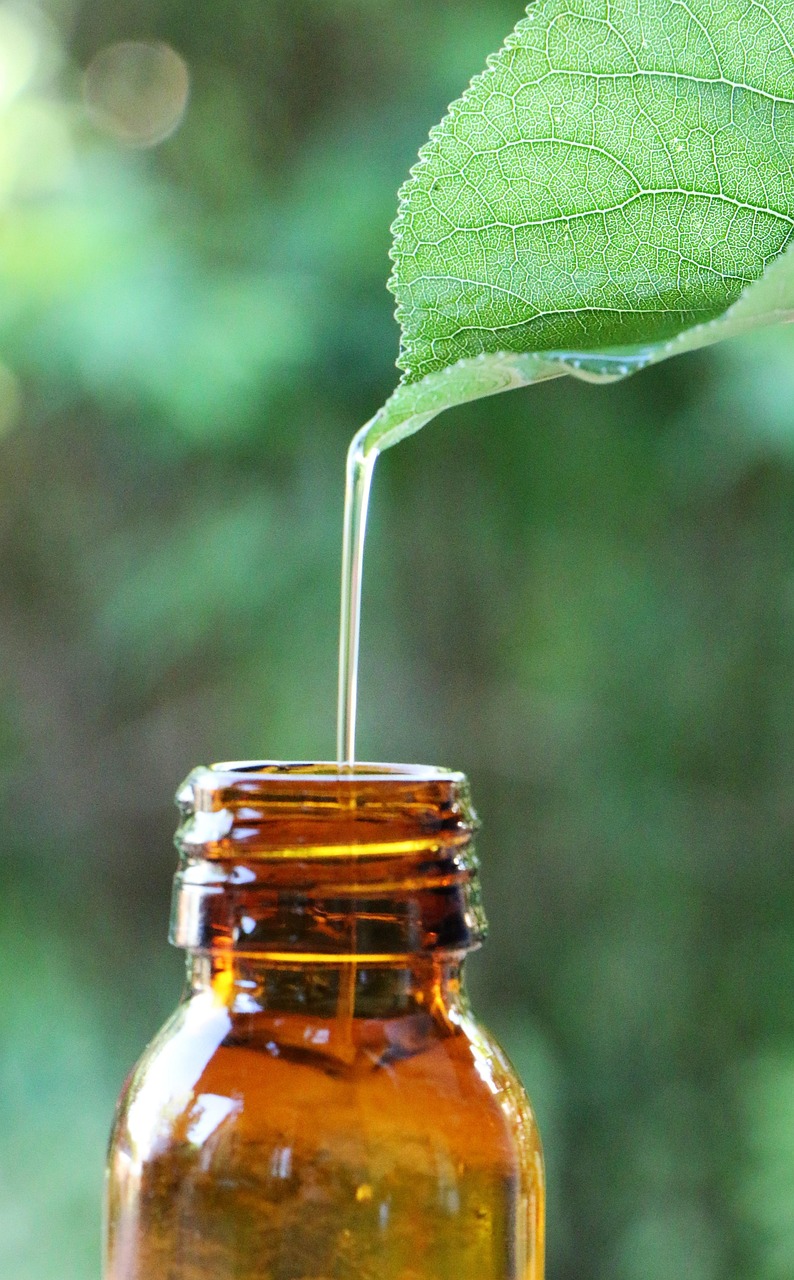
The Distillation Starting Point
The method of extraction matters before we even get to chemistry. Black pepper essential oil is produced by steam distillation of dried, crushed Piper nigrum berries, typically harvested while still green and then dried. This process captures the volatile aromatic compounds while leaving behind the heavier, non-volatile material, including the majority of piperine.
That last point surprises many people. Piperine is the compound responsible for the pungent heat of ground black pepper in food. In the essential oil, piperine levels are very low or effectively absent, because it does not travel well through steam distillation. The heat sensation associated with black pepper the spice is therefore largely absent from black pepper the oil. The aroma, however, is rich and present in full force.
Key Chemical Constituents
Gas chromatography analysis of Piper nigrum essential oil consistently reveals a terpene-dominant profile. The exact percentages shift depending on the origin of the pepper, the harvest maturity, and the distillation conditions, but several compounds appear reliably across most well-characterized samples.
Beta-Caryophyllene
This sesquiterpene is one of the most studied compounds in natural product chemistry. In black pepper oil, it typically represents anywhere from 9 to 30 percent of the total composition, depending on the source. Beta-caryophyllene contributes a woody, slightly spicy, clove-adjacent note to the aroma. Some research suggests it interacts with receptors in the body in ways that have drawn scientific interest, though those observations remain preliminary and should not be read as performance claims.
Limonene
A bright, citrus-forward monoterpene, limonene often appears in black pepper oil at concentrations between 10 and 20 percent. It rounds out the sharpness of the oil and contributes to the fresh, lifting quality that makes black pepper so effective as a top-to-middle note in perfumery blends. Limonene is one of the most widely studied terpenes in cosmetic science.
Alpha-Pinene and Beta-Pinene
Both pinene isomers appear frequently in black pepper oil, often contributing a resinous, forest-floor quality to the background of the scent. Alpha-pinene in particular is associated with the crisp, slightly sharp character that many people describe as distinctly "peppery" even though piperine itself is not the source.
Sabinene
Sabinene is a less well-known monoterpene but often one of the more abundant compounds in black pepper oil, sometimes representing 15 to 20 percent of the total. It contributes a spicy, woody warmth that anchors the lighter citrus notes from limonene.
Delta-3-Carene and Myrcene
These two compounds appear in smaller but meaningful amounts. Delta-3-carene adds a sharp, slightly citrusy edge, while myrcene contributes an earthy, herbal undertone. Together they add depth and prevent the oil from smelling one-dimensional.
Piperine: Present but Minimal
Despite being the signature molecule of black pepper as a culinary spice, piperine is not a volatile compound. Its presence in the essential oil is typically negligible. This is one of the clearest examples of why black pepper essential oil and black pepper fragrance oil behave so differently: fragrance oils can be formulated to include piperine-derived aromatic notes or synthetic analogs, while the true essential oil relies entirely on its terpene profile for character.
Aroma Profile: What Note Is Black Pepper Essential Oil?
In classical perfumery structure, black pepper essential oil is generally classified as a middle note, with some top-note volatility from its lighter monoterpenes. This dual character is part of what makes it so versatile.
The top of the scent opens with a dry, bright spiciness driven by limonene and the pinenes. This facet is immediate but not long-lasting on the skin. Within minutes, the warmer, deeper character from sabinene and beta-caryophyllene moves forward, revealing a woody, resinous, subtly earthy quality. The drydown, in a well-diluted blend, is quiet and clean.
Descriptors that professional perfumers and evaluators use for black pepper oil tend to cluster around: dry, spicy, woody, fresh, sharp, warm, and slightly green. It pairs well with citrus oils, vetiver, sandalwood, rose, and many of the floral musks. Used at low concentrations in a diffuser blend, it adds a grounding quality without overwhelming the room.
What Research Observations Tell Us
A growing body of literature has examined the volatile compounds in Piper nigrum essential oil, and while it is important to frame these as observations rather than settled conclusions, several patterns are worth noting for formulators and informed consumers.
- Some research suggests that beta-caryophyllene, abundant in black pepper oil, may interact with biological pathways in ways that are being actively studied. The findings are described as preliminary, and no consumer claims are supported.
- Studies examining the aromatic volatiles of black pepper oil have noted that the piperine and aroma compounds behave independently, which helps explain why the oil smells like pepper without producing the same physical sensation as the spice.
- Research into the oxidation stability of monoterpene-rich oils (a category that includes black pepper oil) suggests that proper storage, specifically cool, dark, and sealed conditions, significantly affects how long the oil retains its original aromatic character.
- Some evaluations of Piper nigrum origin differences (Indian, Sri Lankan, Indonesian, Brazilian) have noted measurable variation in beta-caryophyllene and sabinene ratios, which may contribute to the subtle scent differences that experienced users detect between sourcing regions.
None of these observations should be read as claims about the oil's effects on the body. They are contextual information for those who want to understand what they are working with at a compositional level.
Safety Profile and Contraindications
Black pepper essential oil has a well-established safety profile when used as directed, but there are practical considerations that every user should understand before applying it topically or diffusing it extensively.
Dilution Requirements
For topical use, black pepper essential oil should always be diluted in a suitable carrier oil before skin contact. A general guideline from industry bodies suggests a maximum of 1 to 2 percent dilution for leave-on cosmetic products. For a targeted application such as a massage blend, a dilution in the range of 1 to 3 percent is typical for adults. Undiluted application can cause significant irritation due to the concentrated terpene content. For detailed guidance on dilution rates and how to perform a proper patch test, see the full article on black pepper oil on skin, dilution rates, and patch testing.
Skin Sensitivity
The monoterpenes in black pepper oil, particularly limonene and alpha-pinene, are known sensitizers in their oxidized forms. This means that old or improperly stored oil carries a higher risk of causing a skin reaction than fresh, well-stored oil. Always check the color and scent of your oil before use. If it smells flat, sharp in an unpleasant way, or noticeably different from when you first opened it, the oxidation risk has likely increased.
Diffusion Considerations
Black pepper oil is generally well-tolerated in diffused amounts when used in a well-ventilated space at modest concentrations. As with any strongly aromatic oil, prolonged exposure in a closed room without fresh air is not recommended. Individuals with sensitivity to strong scents should start with very brief diffusion periods.
Special Populations
Pregnant individuals, nursing parents, and those with very sensitive skin should consult a qualified healthcare provider before using black pepper essential oil topically or aromatically. The same applies to anyone using it around infants or young children.
Banned Compounds and Adulterants
Black pepper oil is sometimes adulterated with synthetic terpenes or stretched with cheaper carrier compounds to reduce cost. Gas chromatography testing by reputable suppliers can identify these adulterants. Some low-quality oils also contain residual solvent traces if solvent extraction (rather than steam distillation) was used, though this is less common for this particular oil.
Sourcing and Quality Indicators
The quality of black pepper essential oil varies considerably across the market. Knowing what to look for protects your formulations and your wallet.
Origin and Botanical Specification
A quality supplier will specify the botanical name (Piper nigrum), the plant part (berry, dried), the extraction method (steam distillation), and the country of origin. India, particularly the Malabar region, and Sri Lanka are historically associated with high-quality pepper crops. Indonesian and Brazilian sources also produce viable oil, though the chemical profiles may differ slightly.
GC/MS Testing
Gas chromatography/mass spectrometry (GC/MS) reports are the industry standard for verifying essential oil composition. A trustworthy supplier makes these reports available, either on request or as a routine part of their documentation. Look for beta-caryophyllene, limonene, sabinene, and the pinenes as the dominant compounds. If the report shows unusually high or unusually uniform percentages that do not vary batch to batch, that can be a signal of standardization through adulteration.
Color and Consistency
True steam-distilled black pepper essential oil is typically colorless to pale yellow or very faintly greenish. A dark brown or amber oil should prompt questions. The consistency is mobile and watery, similar to most other monoterpene-rich essential oils.
Scent Evaluation
Fresh black pepper oil smells unmistakably peppery, bright, and slightly green at the opening. As it dries on a scent strip, the woody, warmer base notes emerge. If the oil smells predominantly flat, musty, or one-dimensionally sharp without any of that characteristic dry warmth, something is likely off with either the oil's age or its authenticity.
Packaging
Amber or dark blue glass is appropriate for storage and sale. Clear glass is a warning sign, as UV light degrades the aromatic compounds over time. Avoid oils sold in plastic bottles, as some terpenes can interact with certain plastics.
Putting the Chemistry to Work
Understanding black pepper essential oil at the molecular level does not require a chemistry degree, but it does shift how you approach the oil. Knowing that the pungency of the spice comes from piperine and aroma compounds behave independently helps you set realistic expectations. Knowing that limonene oxidizes and can increase sensitization risk means you store the oil properly and use it within its shelf life. Knowing that beta-caryophyllene is among the more studied terpenes in the oil gives you useful context when reading research, as long as you hold those observations lightly and do not translate them into health claims.
The character of black pepper essential oil, its dry warmth, its perfumery flexibility, its honest terpene complexity, is earned through the plant, the soil, the harvest timing, and the distillation. Choosing a well-sourced, properly tested oil and handling it with some basic knowledge puts you in the best position to get the most out of it.