
What Does Black Pepper Essential Oil Smell Like? A Full Scent Profile
If you've ever cracked fresh black pepper over a warm dish and caught that sharp, almost electric burst of spice in the air, you already have a first impression of what black pepper essential oil smells like. But the oil goes considerably deeper than that familiar kitchen moment. It is complex, layered, and frankly surprising to most people who encounter it for the first time in a concentrated form.
This article is a detailed look at the black pepper essential oil scent description from a botanical and chemical perspective: what compounds create the aroma, how that aroma behaves in perfumery and blending, what research observations tell us, and how to identify a quality oil by nose alone. For a broader orientation, the complete guide to black pepper essential oil is a useful starting point before diving into scent chemistry.
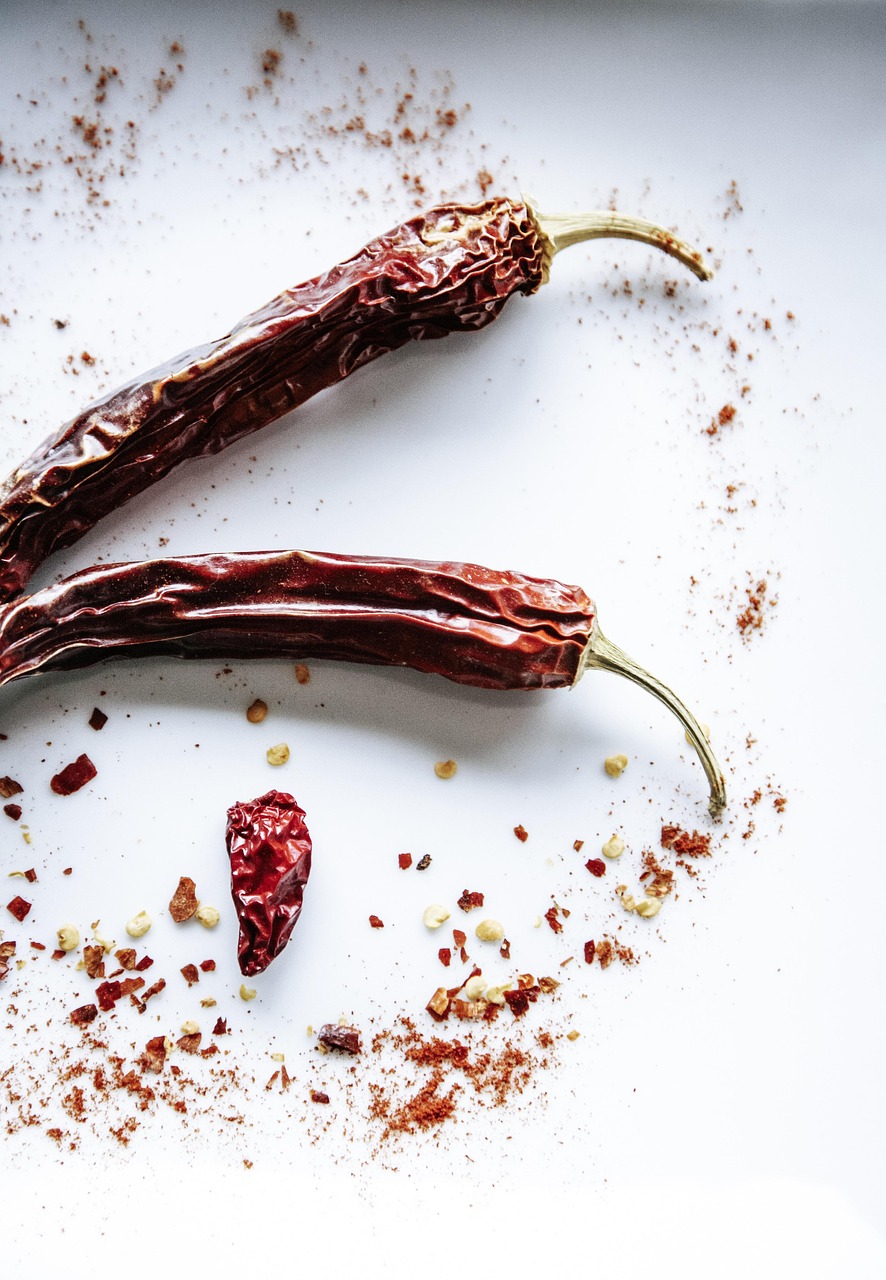
The First Impression: What to Expect When You Open the Bottle
Most people open a bottle of black pepper essential oil expecting something straightforwardly hot and pungent. What they actually get is more nuanced. The top note is bright and sharp, yes, but it carries an almost citrus-like freshness underneath the spice. Some describe a faint green quality, like freshly crushed leaves. A clean, dry woodiness follows quickly behind.
The heat that you associate with black pepper at the dinner table comes largely from piperine, a compound that is not particularly volatile and therefore does not contribute much to the aroma. The smell of black pepper essential oil is built primarily by its volatile terpene compounds, which behave very differently from the alkaloids responsible for spice on the tongue. This is why the oil smells warmer and more complex than it tastes, and why it does not cause the sharp oral sensation that whole peppercorns do.
Key Chemical Compounds and What They Contribute to the Aroma
Understanding what does black pepper essential oil smell like requires a short tour through its chemistry. The oil's character is shaped by a handful of major compounds, each contributing a distinct aromatic thread.
Beta-Caryophyllene
This sesquiterpene is typically the most abundant compound in black pepper essential oil, often representing between 10 and 35 percent of total composition depending on origin and distillation method. Beta-caryophyllene has a dry, woody, faintly spicy scent. It is also found in cloves, rosemary, and hops. In the context of black pepper oil, it provides the warm, grounding base that prevents the aroma from smelling purely sharp or superficial. Research published in flavor and fragrance chemistry journals has consistently identified beta-caryophyllene as a key structural backbone of the oil's overall scent character.
Alpha-Pinene and Beta-Pinene
These monoterpenes give the oil a fresh, resinous quality. Alpha-pinene in particular contributes a clean, almost pine-adjacent crispness that lifts the top note and gives the aroma its initial brightness. Together, these pinenes are partly responsible for the surprising freshness many people notice before the spice fully registers. They are highly volatile compounds, meaning they are among the first impressions you receive and the first to dissipate.
Sabinene
Sabinene is found in significant concentrations in many black pepper oils, sometimes representing 15 to 20 percent of total composition. It contributes a warm, spicy, slightly citrus-like note. Flavor chemists often describe sabinene as the compound that bridges the green freshness and the dry spice in the overall profile. Oils from certain growing regions, particularly those in India and Sri Lanka, tend to show notably high sabinene content.
Limonene
Limonene is immediately recognizable as citrus. Even in relatively small concentrations, it adds brightness and a slightly sweet edge that softens the overall sharpness of the oil. It is one reason why black pepper essential oil does not smell aggressively pungent in the way raw peppercorn dust might irritate the nose. Instead, it retains a certain elegance.
Delta-3-Carene and Myrcene
Delta-3-carene adds a sweet, slightly earthy note and is associated with the dusty-dry quality some people describe in the mid-note. Myrcene brings a warm, balsamic, slightly herbaceous character. Together they contribute to the oil's depth without pushing it toward any single dominant direction.
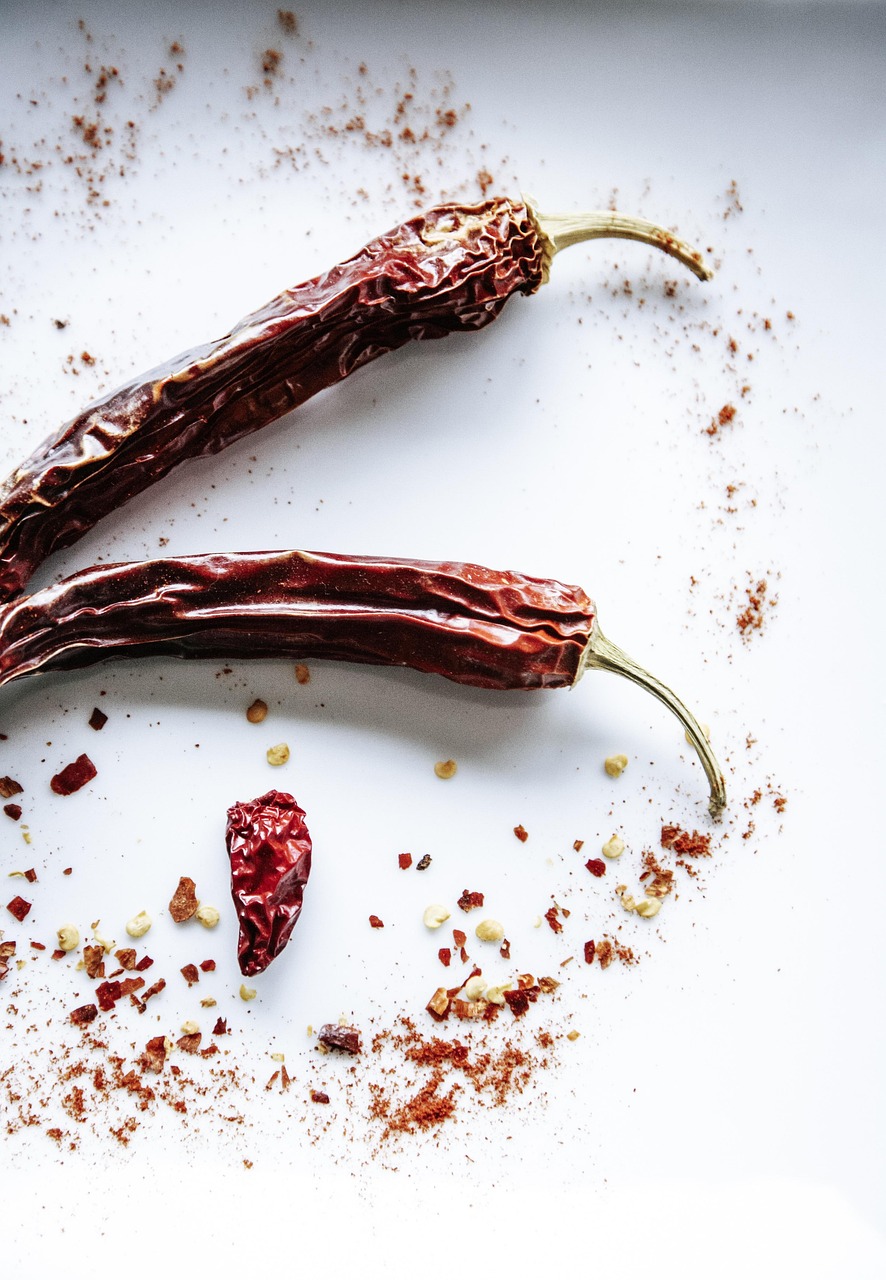
The Scent Timeline: Top, Middle, and Base Notes
Black pepper essential oil is classified as a top-to-middle note in perfumery, though it has meaningful persistence for a predominantly monoterpene-rich oil.
- Top note (first 5 to 15 minutes): Sharp, fresh, citrus-adjacent spice. The pinenes and limonene dominate. This is the electric, almost fizzing quality that makes the oil immediately recognizable.
- Middle note (15 to 60 minutes): The sabinene and delta-3-carene emerge more fully. The aroma becomes warmer, drier, and more classically peppery. A faint green, almost woody note develops.
- Base note (60 minutes and beyond): Beta-caryophyllene becomes the dominant presence. The scent is now dry, woody, and grounding. Most of the sharp top-note brightness has evaporated, leaving a quiet, resinous warmth on fabric or skin.
This progression is part of why perfumers find black pepper oil so useful. It contributes brightness early, transitions into a spicy mid-note, and leaves a subtle dry-down that complements heavier base notes like vetiver, sandalwood, or labdanum.
How Origin and Production Method Shape the Aroma
Not all black pepper essential oils smell identical. The botanical source is Piper nigrum, but growing region, berry maturity at harvest, drying method, and distillation process all produce meaningful differences in the final scent profile.
Oils distilled from sun-dried berries tend to have a more concentrated, robust spice note because extended drying concentrates the volatile aromatic compounds before distillation begins. You can read more about this in the article on how black pepper oil is made from sun-dried berries. Oils from fresh or briefly dried berries often retain more of the green, citrus-like freshness and can smell lighter overall.
Geographic origin matters too. Indian black pepper oils, particularly from Kerala, are widely regarded as having a bold, full-bodied aroma with strong beta-caryophyllene presence. Sri Lankan oils sometimes show more limonene brightness. Indonesian and Vietnamese oils can vary considerably by producer and harvest season.
Steam distillation is the standard extraction method for aromatherapy-grade oils and produces a clean, balanced scent profile. CO2 extraction captures a broader range of compounds and often yields an oil with a more complex, slightly greener aroma that some consider closer to the freshly crushed berry.
How to Use the Scent Profile to Evaluate Quality

Your nose is a surprisingly reliable instrument for assessing black pepper essential oil quality, once you know what to look for.
A quality oil should smell complex from the first moment. That initial top note should be sharp but clean, not harsh or chemically flat. If an oil smells one-dimensional, like a single note rather than a progression, this may indicate adulteration with synthetic compounds or extended shelf age.
Watch for these signs in the aromatic profile:
- Clean brightness at the top: Fresh, slightly citrus-tinged sharpness. Not acrid or synthetic.
- Warmth in the middle: A dry, spicy transition that feels natural rather than abrupt.
- Resinous depth at the base: The beta-caryophyllene-driven dry-down should be present and satisfying.
- No artificial sweetness or chemical flatness: These often indicate synthetic fragrance addition.
- Complexity over time: The oil should smell noticeably different on a scent strip after 30 minutes compared to the opening note.
Gas chromatography-mass spectrometry (GC/MS) testing is the gold standard for verifying composition. Reputable suppliers typically make these reports available. For a broader look at how to evaluate black pepper oil quality and sourcing across categories, the black pepper essential oil FAQ covers many practical purchasing questions.
Black Pepper Oil in Blending: What It Pairs Well With
The black pepper oil aroma is a genuine workhorse in fragrance blending. Its versatility comes from having both a sharp top note and a woody, grounding base, which means it can function in multiple positions within a blend.
It pairs particularly well with:
- Citrus oils (bergamot, grapefruit, lemon): The shared limonene content creates a natural bridge, amplifying brightness.
- Woody and resinous oils (cedarwood, frankincense, sandalwood): The beta-caryophyllene in black pepper echoes the dry, deep quality of these bases.
- Floral oils (rose, geranium, ylang ylang): Black pepper adds a contrasting edge that prevents heavy florals from becoming cloying. Perfumers often describe this pairing as adding a sense of tension or vitality.
- Herbaceous oils (clary sage, juniper berry, rosemary): The green, slightly resinous quality of black pepper sits comfortably alongside other aromatic herbs.
In candle and room-spray applications, black pepper oil typically performs best as an accent note rather than a dominant feature. A use rate of 3 to 5 percent within a blend allows the spice character to register without overwhelming more delicate companions.
Safety Profile and Contraindications
Black pepper essential oil has a generally favorable safety profile when used appropriately, but several important considerations apply.
Dilution
For topical cosmetic application, most professional guidelines recommend diluting black pepper essential oil to a maximum of 1 to 2 percent in a carrier oil. At higher concentrations, the oil may cause skin sensitization in some individuals. A standard working dilution for body use would be 1 percent, which is approximately 6 drops of essential oil per 30 ml (one ounce) of carrier oil.
Patch Testing
Always perform a patch test before wider application. Apply a small amount of the diluted oil to the inside of the elbow, wait 24 hours, and check for any redness, itching, or irritation before proceeding.
Skin Sensitivity
People with sensitive skin or known sensitivities to terpene-rich compounds should exercise additional caution. The monoterpene content in black pepper oil can be irritating at full concentration.
Oxidation
Like all terpene-rich oils, black pepper essential oil is prone to oxidation over time. Oxidized oils carry a higher risk of skin sensitization. Store your oil in a dark glass bottle, away from heat and light, and use within 12 to 18 months of opening. If the scent has shifted toward flat, vinegary, or chemically sharp, the oil has likely oxidized and should not be applied to skin.
Pregnancy and Children
Consult a qualified healthcare provider before using black pepper essential oil during pregnancy or on young children. Standard precautionary guidance recommends avoiding many concentrated essential oils in these populations without professional guidance.
Inhalation
Diffusing black pepper oil in a well-ventilated space at appropriate concentrations is generally well-tolerated. Direct inhalation from the bottle at close range or prolonged exposure in small unventilated spaces is not recommended.
A note on research framing: several laboratory-based studies have examined the compounds in black pepper essential oil, particularly beta-caryophyllene, in the context of aromatic and cosmetic applications. These are noted throughout this article as observations from the published literature. No compound discussed here is presented as a substitute for professional guidance, and this article makes no claims about any oil's ability to address health conditions of any kind. Always consult a qualified healthcare provider with specific health questions.
Putting the Scent Profile Together
The black pepper essential oil scent description, in full, is this: a bright, clean, citrus-inflected opening that sharpens quickly into dry spice, followed by a warm, resinous dry-down dominated by woody depth. It is not a single-note spice. It is a progression, one that rewards patience and rewards quality sourcing.
The best way to understand what does black pepper essential oil smell like is to experience it on a scent strip over time, noting the changes at 5 minutes, 30 minutes, and an hour. The opening note will likely surprise you with its freshness. The base note will likely surprise you with its quiet persistence. Both are products of a genuinely complex chemical profile that has made this oil a staple in serious perfumery and quality aromatics for good reason.