
Organic Black Pepper Essential Oil: Is It Worth the Premium?
Organic black pepper essential oil sits at a curious crossroads in the essential oil market. The price gap between certified organic and conventional bottles can be surprising, sometimes doubling the cost for what looks like the same small amber vial. So what are you actually paying for, and how do you know if the premium is justified?
This guide cuts through the marketing noise. You will find out what makes one black pepper oil genuinely different from another, which label claims actually matter, and where the real quality signals hide. Whether you are building a serious aromatics collection or simply want a reliable bottle for your diffuser blends, the information here will help you spend wisely.
Why the Organic Question Matters with Black Pepper Oil
Black pepper (Piper nigrum) is one of the most heavily traded spices on earth. Commercial peppercorn farming often involves synthetic pesticides and fungicides, particularly in high-volume growing regions. Because essential oil distillation concentrates the volatile compounds from the plant material, it also has the potential to concentrate residues from agricultural inputs.
Certified organic cultivation prohibits synthetic pesticides and requires documented soil management practices. For a concentrated aromatic product used in personal care formulations or close-contact applications like diluted body oils, that distinction has real practical weight.
That said, organic certification is not a quality guarantee on its own. An organic label tells you about farming practices. It says nothing about distillation quality, freshness, or whether the oil has been adulterated. The two factors must be evaluated separately.
What to Look for: Quality Indicators That Actually Matter
1. Botanical and Origin Information
A trustworthy label will state the full Latin name (Piper nigrum), the plant part used (steam-distilled from dried fruit, or sometimes from the vine), the country of origin, and the extraction method. India, Sri Lanka, Madagascar, and Vietnam are the primary producing regions, each yielding slightly different aromatic profiles.
India-origin oils tend toward a richer, earthier warmth. Vietnamese pepper can carry brighter, sharper top notes. Neither is inherently superior; they suit different blending purposes. If a supplier cannot tell you where the peppercorns were grown, that is worth noting.
2. Certification Body and Documentation
Look for certification from a recognized third-party body. In the United States, the USDA National Organic Program (NOP) is the standard. In Europe, look for COSMOS Organic or Ecocert. Some reputable suppliers carry multiple certifications for different markets.
Crucially, you can verify these certifications. USDA NOP certified operations are listed in a public database. If a brand claims organic status but cannot point you to a certifying agent or certificate number, the claim is unverifiable.
3. GC/MS Testing and Transparency
Gas chromatography and mass spectrometry (GC/MS) analysis identifies the chemical constituents of an essential oil batch. A reputable supplier will provide batch-specific GC/MS reports, either publicly on their website or upon request.
For black pepper essential oil, key constituents to look for include beta-caryophyllene (typically 10 to 35 percent), limonene, alpha-pinene, and sabinene. Significant deviations from expected ranges can signal adulteration, poor-quality source material, or an oil past its useful aromatic life.
See our deeper breakdown of what to look for in test documentation in the guide to buying pure black pepper essential oil.
4. Packaging and Storage
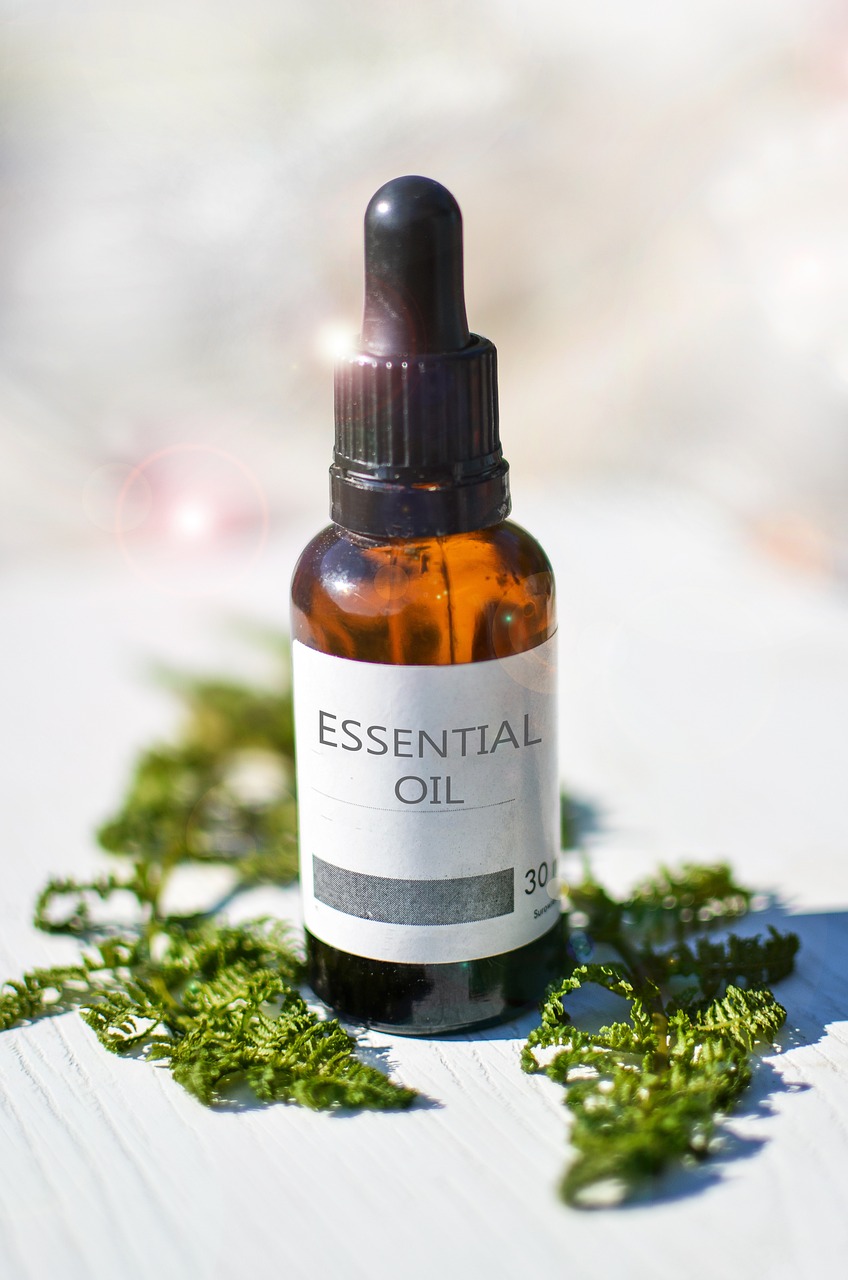
Black pepper essential oil should be packaged in amber or cobalt glass with a tight-fitting cap and an orifice reducer (the small dropper insert). UV light degrades volatile compounds; clear glass bottles are a warning sign for a supplier that is not paying attention to product integrity.
Check for a batch or lot number and a recommended use-by or distillation date. Black pepper oil has a reasonable shelf life of two to three years when stored correctly, but age and poor storage accelerate oxidation and flatten the aroma.
Organic vs. Conventional Essential Oil: A Direct Comparison
| Factor | Certified Organic | Conventional |
|---|---|---|
| Agricultural inputs | No synthetic pesticides or fertilizers | May include synthetic inputs |
| Residue risk in finished oil | Lower (verified by certification body) | Variable; depends on sourcing |
| Price | Higher (certification adds cost) | Generally lower |
| Aroma quality | Not guaranteed by organic status alone | Not guaranteed by price alone |
| Traceability | Required for certification | Varies widely by supplier |
| Availability | Growing but still limited | Widely available |
The honest answer: for skin-contact applications and personal care formulations, the lower residue risk in certified organic black pepper essential oil makes the premium reasonable. For diffuser-only use in a well-ventilated space, a high-quality, GC/MS-tested conventional oil from a transparent supplier can be a sound choice at a lower price point.
Key Features to Compare When Shopping
- Batch-level GC/MS reports: Not just a general certificate, but a report tied to the specific lot number on your bottle.
- Certifying body name and certificate number: Vague "certified organic" language without a named certifier is insufficient.
- Country of origin: Listed on the product page or label, not buried in fine print or absent entirely.
- Distillation date or freshness date: Tells you how old the oil actually is, not just when it was bottled.
- Supplier reputation and return policy: Established suppliers who stand behind their sourcing are worth a small price premium over unknown brands offering rock-bottom prices.
- Size options: If you use black pepper oil regularly in blending or formulation, buying a 15ml or 30ml bottle from a reputable supplier is more economical than repeated small-bottle purchases.
Top Picks at Different Price Points

Rather than naming specific products that may change availability or pricing, the following tiers describe what you should realistically expect at each investment level.
Budget Tier (Under $12 for 10ml)
At this price point, certified organic black pepper essential oil is rare. What you will find is conventional oil of variable quality. Your priority here is to confirm GC/MS documentation is available and that the seller lists country of origin. Brands in this range that publish testing data are worth considering for diffuser use. Avoid any bottle that does not list a botanical name or distillation method.
Mid-Range Tier ($12 to $25 for 10ml)
This is where certified organic black pepper essential oil becomes genuinely accessible. Several well-regarded suppliers offer USDA NOP or COSMOS certified oils in this range with publicly available batch testing. Look for suppliers who also offer blending notes and usage guidance, which signals genuine product knowledge rather than generic catalog sourcing. This tier is ideal for personal care blending and cosmetic formulation work.
Premium Tier ($25 and above for 10ml, or bulk sizes)
Premium pricing should correspond to exceptional sourcing transparency, direct relationships with distillers, and often single-origin estate oils. Some suppliers at this level offer organic oils with additional certifications such as Fair Trade or Rainforest Alliance sourcing. For perfumers and serious formulators working on natural fragrance projects, this tier delivers the most nuanced aromatic character and the most complete documentation trail.
If you are exploring black pepper oil as a perfumery ingredient, the aromatic complexity at this tier genuinely matters. The guide to black pepper oil in blending and perfumery goes deeper on how origin and distillation method affect fragrance performance.
Red Flags to Avoid
The essential oil market has a well-documented quality problem. These are the signals that should make you pause or walk away entirely.
- "Therapeutic grade" labeling: This phrase has no regulated meaning and no industry standard behind it. It is a marketing term, nothing more.
- No Latin name on the label: Without Piper nigrum specified, you cannot be certain what you are buying.
- Suspiciously uniform pricing across all oils: If a brand sells every essential oil, from rose to sandalwood to black pepper, at the same price, the sourcing economics do not add up. It usually signals adulteration or synthetic extension.
- "Organic" with no certifying body named: Self-declared organic claims are unverifiable and meaningless without a third-party certifier.
- No batch number or lot tracking: Without this, GC/MS reports (even if provided) cannot be tied to your specific bottle.
- Clear glass packaging: Indicates either ignorance of basic preservation requirements or indifference to product quality.
- Health claims on the label or product listing: Companies that make explicit claims about medical outcomes are operating outside regulatory guidelines, which raises questions about their overall approach to accuracy and compliance.
Where to Buy Organic Black Pepper Essential Oil
Specialty Essential Oil Retailers
Companies whose entire business is built around essential oils tend to invest more in sourcing relationships and quality documentation than general wellness retailers. Look for brands that publish their GC/MS reports openly and list their certifying bodies by name. Many operate primarily online with detailed product pages that include all the specification information discussed in this guide.
Natural and Organic Marketplaces
Platforms focused on natural and organic products can be useful for discovering smaller suppliers, but apply the same scrutiny you would anywhere else. Marketplace listings vary widely in documentation quality even within the same platform.
Direct from Distillers and Importers
For higher volumes or for formulators who want maximum traceability, buying directly from a distiller-importer who can provide full documentation is the gold standard. These suppliers often sell to the professional cosmetics and aromatics trade and may have minimum order requirements, but the sourcing transparency is unmatched.
What to Avoid
General retail marketplaces with third-party sellers, grocery store essential oil sections, and mass-market wellness brands with no sourcing information are all lower-reliability options. The price may look attractive, but the lack of documentation makes quality verification nearly impossible.
If you are also considering related aromatic options for your collection, the piece on black pepper essential oil substitutes covers which oils share similar aromatic character and how to think about swapping them in formulations.
The Bottom Line on the Organic Premium
Certified organic black pepper essential oil is worth the price difference for skin-contact applications, cosmetic formulations, and any use case where minimizing agricultural residues matters to you. For diffuser use alone, a rigorously tested conventional oil from a transparent supplier is a defensible choice at a lower price.
The word "organic" on a label is a starting point, not a finish line. Pair that certification with batch-level GC/MS data, a named certifying body, clear origin information, and a supplier who publishes their sourcing practices openly. That combination is what actually justifies a premium, and what separates a bottle worth buying from one that is simply priced like it is.