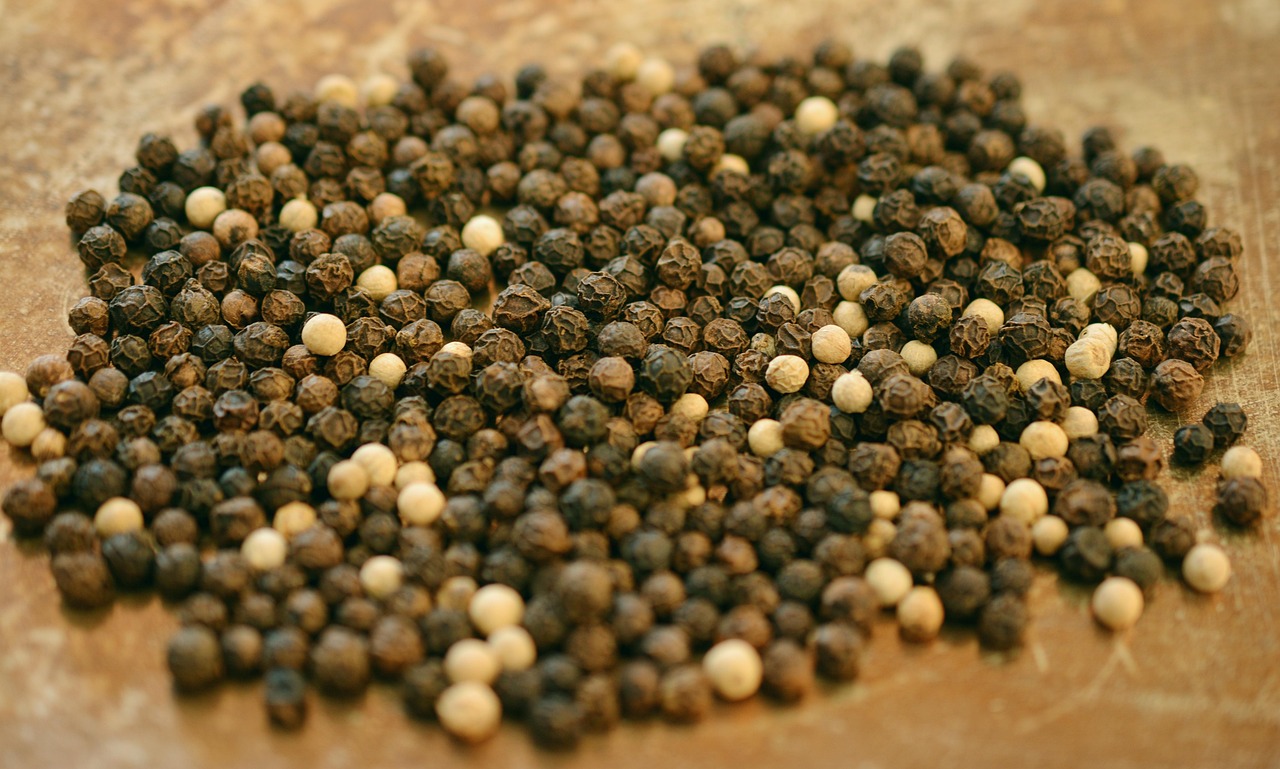
Black Pepper Oil Blending and Perfumery: The Complete Guide
Why Black Pepper Belongs in Your Blending Kit
Ask any experienced perfumer which single spice oil they would keep if forced to choose just one, and black pepper comes up more often than you might expect. It is not the sweetest spice, nor the most immediately crowd-pleasing. What it offers instead is structure: a dry, grounding backbone that keeps sweeter and brighter ingredients from floating off into incoherence.
Black pepper essential oil has been present in perfumery and cosmetic formulation for centuries, long before modern aromatic chemistry gave us language to describe what it does. Ancient trade routes carried Piper nigrum across continents not only as a culinary commodity but as a prestige aromatic. Today, the distilled oil continues to earn its place in sophisticated blends, from artisan natural perfumes to high-end body care products.
This black pepper oil blending guide covers the full picture: how the oil behaves aromatically, which ingredients it partners with best, practical formulation ratios, ready-to-use recipes, and everything you need to know about sourcing and safety. Whether you are crafting your first spice blend or refining a complex perfume accord, the material here will sharpen your approach.
Understanding the Aromatic Profile of Black Pepper Oil
Before you can blend well with any ingredient, you need to understand what it actually smells like in isolation, how that character evolves over time, and which chemical constituents drive those qualities.
The Scent on the Blending Strip
Fresh black pepper oil opens with a sharp, green-peppery bite. There is a brightness in the top note that is almost citrus-adjacent, reminiscent of dried lemon zest or crushed green peppercorn. Within a few minutes, that initial sharpness softens into something drier and more complex: a woody, slightly dusty warmth with faint resinous undertones. The drydown can carry a subtle earthiness, almost like turned soil or dark wood shavings.
Many first-time blenders are surprised by how refined the oil smells compared to ground black pepper in the kitchen. The steam distillation process captures the volatile aromatic compounds while leaving behind the fixed oils and the sharpest piperine (the compound responsible for heat on the palate). The result is an oil that reads as "pepper" to the nose without being aggressive or one-dimensional.
Key Aromatic Compounds
The complexity of black pepper oil comes from its rich terpene profile. Beta-caryophyllene is the standout compound, and it is responsible for the oil's dry, woody, faintly spicy character. You will find beta-caryophyllene in other notable botanical oils too, including clove and copaiba, which helps explain why these oils blend so naturally with black pepper.
Alpha-pinene and beta-pinene contribute a piney, resinous freshness that sits in the top-note zone. Limonene adds a light citrus lift. Sabinene, myrcene, and delta-3-carene round out the green, herbaceous facets. Together, these compounds create a scent that is far more layered than a simple "spice" label would suggest.
How Black Pepper Oil Differs by Origin
The origin of the peppercorns affects the final aroma in meaningful ways. Indian black pepper (particularly from Kerala and the Malabar coast) tends to produce oil with a pronounced spicy warmth and good depth. Sri Lankan pepper oil often reads slightly fresher and more citrus-forward. Indonesian and Vietnamese varieties can deliver more robust, earthy profiles.
For blending purposes, the Indian and Sri Lankan oils are the most widely favored because they offer the best balance between the bright top notes and the complex woody drydown. If you are interested in exploring these regional differences in detail, the sourcing section later in this guide covers what to look for when purchasing.

Black Pepper in Perfumery: Note Structure and Role
Perfumery organizes aromatic ingredients into a three-tier note structure: top, heart (middle), and base notes. Black pepper oil is one of those interesting ingredients that does not fit neatly into a single tier. Understanding where it sits, and how that position shifts depending on concentration and context, is central to using it well.
Where Black Pepper Sits in the Note Pyramid
At standard blending concentrations (roughly 2 to 5 percent of a blend), black pepper oil behaves primarily as a top-to-heart note. Its bright, peppery facets lift off quickly and engage the nose in the first few minutes of wear or diffusion. The drydown, however, lingers noticeably longer than a typical top note would. Beta-caryophyllene has enough molecular weight to give the oil genuine staying power, bridging the gap between the volatile top notes and the longer-lasting base.
In higher concentrations (above 8 percent, which is uncommon in finished blends but sometimes used in perfume concentrates), the base character becomes more pronounced and the oil can take on an almost resinous quality. At very low concentrations (below 1 percent), it functions largely as a modifier, contributing a subtle spicy warmth that is difficult to identify consciously but makes surrounding notes feel richer.
The Role Black Pepper Plays in a Fragrance
Perfumers use black pepper in several distinct ways. First, as a bridge: it connects citrus and woody accords, sitting comfortably between the brightness of bergamot or lemon and the depth of sandalwood or vetiver. A blend that jumps abruptly from sharp citrus to heavy base notes can feel disjointed; black pepper smooths that transition.
Second, as a dry modifier: it reduces sweetness. If a floral or gourmand blend feels too cloying, a small addition of black pepper can introduce a dry, slightly astringent note that creates contrast and sophistication.
Third, as an accent: in woody and oriental fragrance families, black pepper acts as a spice accent that signals warmth and depth without the sweetness of vanilla or the powderiness of musks. Many classic masculine fragrance structures use this role extensively.
For a deeper exploration of black pepper's history and evolving role in modern commercial fragrance, see our article on black pepper as a perfume note and its place in modern fragrance.
Black Pepper Versus Other Spice Oils in Perfumery
Spice oils occupy distinct positions in a perfumer's palette, and understanding how black pepper compares to its closest relatives helps you make deliberate choices. Ginger oil shares some of the bright, zesty top-note energy but skews warmer and slightly sweeter. Cardamom is more aromatic and camphorous, with a cooling eucalyptus-like facet that black pepper lacks entirely. Clove is heavier, more phenolic, and tends to dominate a blend if used carelessly.
Black pepper is arguably the most versatile of the group because its character is drier and less assertive than clove, more complex than ginger, and less medicinal than cardamom. It plays well with others. For a full side-by-side comparison of these warm spice oils and how to choose between them, see black pepper vs. ginger vs. cardamom oil.
What Black Pepper Essential Oil Blends Well With
This is the heart of any practical black pepper oil blending guide. The following pairings are organized by fragrance family, with notes on the character each pairing produces and how to approach the ratio.
Citrus Oils
Bergamot, sweet orange, grapefruit, lemon, and lime all pair beautifully with black pepper. The combination of bright citrus top notes with the dry, peppery warmth creates what perfumers often describe as a "sparkling spice" effect: energizing, clean, and surprisingly elegant.
Bergamot is particularly well-suited because its slightly floral, Earl Grey-like facets complement the woody drydown of the pepper rather than clashing with it. Grapefruit pairings tend to read as fresher and more modern; lemon pairings lean slightly sharper and more aromatic.
Suggested starting ratio: 3 parts citrus to 1 part black pepper by drop count.
Woody and Resinous Oils
Cedarwood, sandalwood, frankincense, vetiver, patchouli, and myrrh are natural allies for black pepper. These base-note ingredients provide the depth and longevity that black pepper alone lacks, while black pepper contributes the brightness and complexity that purely woody blends can sometimes miss.
Frankincense and black pepper is a particularly compelling combination. Both oils have a slightly resinous, balsamic quality, and together they create a rich, contemplative accord that works beautifully in diffuser blends designed for evening rituals or focused work sessions.
Cedarwood pairings tend to produce a drier, more aromatic result that suits masculine-leaning cosmetic products and beard oils. Sandalwood introduces a creamy, slightly sweet quality that softens the pepper's edge considerably.
Suggested starting ratio: 1 part black pepper to 2 to 3 parts woody base oil.
Floral Oils
This is where many blenders hesitate, but floral and spice combinations have a long history in both classic and contemporary perfumery. Rose, jasmine, ylang ylang, and geranium all interact interestingly with black pepper.
Rose and black pepper is perhaps the most celebrated of these pairings. The dryness of the pepper counteracts rose's natural sweetness, creating an accord that feels more confident and complex than either ingredient alone. Geranium, with its rosy-green character and faint herb-like facets, pairs with black pepper to produce something that reads almost like a green chypre in character.
Ylang ylang is heady and intensely floral; black pepper can tame its more overwhelming aspects when used at around 1 to 2 percent of the total blend. Use restraint with this pairing.
Suggested starting ratio: Keep black pepper at or below 3 percent of a floral blend and adjust upward only after evaluating on a blending strip for 30 to 60 minutes.
Herbaceous and Green Oils
Clary sage, rosemary, basil, juniper berry, and cypress all sit in comfortable territory alongside black pepper. These combinations tend to feel energetic and outdoors-inspired, reminiscent of aromatic shrubland or forest air after rainfall.
Juniper berry and black pepper is an outstanding pairing for anyone crafting blends with a fresh, slightly gin-like quality. Both oils share a piney, bright character, and together they amplify each other without either overwhelming the composition.
Rosemary and black pepper creates a sharper, more stimulating accord that works well in functional blends like scalp care serums or pre-workout massage preparations (always properly diluted in a carrier oil, of course).
Warm Spice Oils
Cinnamon bark (used with care due to its skin-sensitizing potential), cardamom, ginger, clove bud, and nutmeg can all be combined with black pepper to create complex spice accords. The key with multi-spice blends is to ensure each ingredient retains its individual character rather than blending into a generic "warm spice" cloud.
Black pepper plays well as the driest, most linear element in a spice accord, providing contrast against the sweetness of cinnamon or the warmth of ginger. Cardamom and black pepper together produce a sophisticated, slightly exotic accord that appears frequently in niche perfumery.
For more detailed pairings with specific oils and a ranked list of black pepper's most compatible partners, see our companion article on what black pepper essential oil blends well with.
Blending Ratios, Techniques, and Formulation Tips
Knowing which oils pair well is only half the picture. How you combine them, in what proportions, and in what sequence all affect the final result. This section covers the practical mechanics of blending with black pepper essential oil.
Recommended Usage Rates by Application
| Application Type | Recommended Black Pepper % | Notes |
|---|---|---|
| Diffuser blend (aromatic only) | 10 to 20% | Higher percentages acceptable in aromatic use; adjust for preference |
| Body/massage oil | 0.5 to 2% | Stay conservative on large body areas; patch test first |
| Facial serum or oil | 0.25 to 0.5% | Facial skin is more reactive; use with care |
| Natural perfume (in alcohol) | 2 to 8% of total accord | Its role within the overall blend, not total fragrance concentration |
| Body lotion or cream | 0.5 to 1.5% | Emulsified products may mute spice notes slightly; account for this |
| Hair care (shampoo/conditioner) | 0.5 to 1% | Avoid contact with eyes; rinse-off products reduce overall exposure |
| Beard oil or balm | 1 to 3% | Works beautifully with cedarwood and sandalwood bases |
The Blending Sequence: Why Order Matters
Many blenders add oils in random order, but professional formulators follow a deliberate sequence. Start with your base notes, then add heart notes, and finish with top notes including black pepper. This approach lets you evaluate the deeper structure of your blend before the bright, volatile ingredients cloud your perception.
When working with black pepper specifically, add it after your base notes are established. Because its top-note facets are strong and immediate, adding it too early can make it difficult to evaluate the underlying accord accurately. Give each addition a few minutes before smelling the strip again.
The 10 Percent Rule for Spice Oils
A useful guideline when building spice-forward blends: keep all spice oils combined at or below 10 percent of the total aromatic portion. If your blend contains black pepper, ginger, and cardamom, their combined percentage should sit around or under that threshold. This prevents the blend from reading as a single aggressive spice wall and preserves the interplay between the individual characters.
Diluting in Carrier Oils and Bases
Black pepper essential oil is generally well-tolerated when diluted appropriately, but it should never be applied undiluted to skin. Suitable carrier oils for black pepper blends include:
- Jojoba (lightweight, stable, good for facial and beard applications)
- Sweet almond oil (smooth texture, slightly nutty undertone that complements spice notes)
- Fractionated coconut oil (completely odorless, excellent for massage blends where the aromatic blend needs to shine without competition)
- Grapeseed oil (very light, good for body oils and blends that benefit from fast absorption)
- Argan oil (slightly richer, excellent for hair and beard products)
Maceration Time and Blend Evolution
Blends containing black pepper often smell noticeably different after a week or two of resting. The initial brightness of the top notes settles, the heart notes become more prominent, and the overall accord integrates. If you are formulating a natural perfume, plan for a maceration period of at least two weeks before making final adjustments. What seems too sharp on day one frequently becomes balanced and refined by day fourteen.
Black Pepper Blending Recipes for Every Application
The following recipes are starting points rather than fixed formulas. Every batch of essential oil varies slightly, and your nose is ultimately the most reliable instrument. All dilution percentages assume blending into a carrier oil or unscented base unless otherwise noted.
Safety reminder: Conduct a patch test before applying any new blend to a larger skin area. Wait 24 hours to check for any sensitivity response. Keep dilutions within recommended ranges, especially for facial applications.
Recipe 1: Focused Evening Diffuser Blend
For: Diffuser use only (not for skin application)
Character: Warm, resinous, grounding
- Frankincense: 4 drops
- Cedarwood (Atlas): 3 drops
- Black pepper: 2 drops
- Bergamot: 1 drop
Add to a water-based ultrasonic diffuser. This combination creates a warm, slightly smoky atmosphere well-suited to a calm evening wind-down or dedicated focus time at a desk. The bergamot drop lifts the blend just enough to keep it from feeling heavy.
Recipe 2: Citrus and Spice Body Oil
For: Body application (not facial)
Dilution: Approximately 1.5% total
Character: Bright, warm, clean
- Sweet almond oil: 30 ml (carrier)
- Grapefruit: 5 drops
- Sweet orange: 4 drops
- Black pepper: 3 drops
- Vetiver: 1 drop
Combine in a dark glass bottle and shake gently before each use. The vetiver drop is small but important: it tethers the citrus and spice notes to something deeper, extending the life of the blend on the skin considerably.
Recipe 3: Woody Spice Beard Oil
For: Beard and facial hair application (avoid direct skin contact if sensitive)
Dilution: Approximately 2.5% total
Character: Dry, warm, sophisticated
- Argan oil: 15 ml (carrier)
- Jojoba: 15 ml (carrier)
- Cedarwood (Virginian): 6 drops
- Sandalwood (Australian or Amyris): 4 drops
- Black pepper: 3 drops
- Clary sage: 2 drops
This is a classic woody spice accord that improves with a week or two of resting after blending. The clary sage adds a slight herbal complexity that keeps the overall impression from feeling too heavy or one-dimensional.
Recipe 4: Natural Perfume Accord (Rose and Pepper)
For: Natural perfume development; dilute in perfumer's alcohol to your desired final concentration
Character: Dry floral, sophisticated, complex
- Rose absolute: 6 drops
- Geranium (Bourbon): 4 drops
- Black pepper: 3 drops
- Patchouli (light): 2 drops
- Bergamot: 5 drops
Combine these drops and allow to macerate in a small dark glass vial for at least one week before evaluating. This accord can be diluted at 15 to 20% in cosmetic-grade perfumer's alcohol for an eau de parfum concentration. The patchouli is used here for its fixative quality rather than its dominant scent character; keep it restrained.
Recipe 5: Spiced Citrus Room Mist
For: Room misting (not for skin)
Character: Uplifting, warm, aromatic
- Distilled water: 90 ml
- Isopropyl alcohol (or witch hazel): 10 ml (to help disperse oils)
- Lemon: 8 drops
- Cardamom: 4 drops
- Black pepper: 4 drops
- Juniper berry: 3 drops
Combine in a fine-mist spray bottle. Shake well before each use, as water and oil will separate. This blend works well in entryways, kitchens, and workspaces.
Sourcing Quality Black Pepper Oil for Blending
The difference between a beautifully complex black pepper essential oil and a flat, one-note version of the same ingredient comes down almost entirely to sourcing and production quality. For blending and perfumery work, this matters more than in many other applications because the oil's nuanced aromatic character is the point.
What to Look for in a Supplier
Reputable suppliers will provide a Gas Chromatography/Mass Spectrometry (GC/MS) report for each batch of oil they sell. This document confirms the chemical composition and can reveal adulteration or the use of synthetic extenders. For black pepper oil, look for reports that show meaningful beta-caryophyllene content (typically 20 to 35 percent) and a complete terpene profile including alpha-pinene, beta-pinene, and limonene.
The oil should be labeled clearly with the botanical name (Piper nigrum), the extraction method (steam distillation is standard), the country of origin, and the plant part used (typically dried berries). Any supplier who cannot or will not provide this information warrants caution.
Steam-Distilled vs. CO2-Extracted Black Pepper
Most commercially available black pepper essential oil is steam-distilled, and this is what the vast majority of perfumers and blenders work with. CO2 extraction (carbon dioxide extraction) produces a different product: a fuller, sometimes thicker extract that retains more of the original peppercorn's aromatic complexity and some of its non-volatile compounds.
CO2-extracted black pepper tends to smell closer to freshly cracked pepper in your hand. It is richer and often more intense, which makes it appealing for certain applications but requires more careful dosing. For delicate perfumery work where precision matters, steam-distilled oil is generally preferred for its consistency and cleaner aromatic profile.
Is Organic Black Pepper Oil Worth the Premium?
Organic certification ensures that the source peppercorns were grown without synthetic pesticides, which some formulators consider essential for clean-label natural products. Whether the aromatic quality is meaningfully different is a more complicated question. In many cases, the growing region and distillation quality have more influence on the final aroma than organic certification alone.
For a full breakdown of what organic certification means in this context and when it is genuinely worth the price difference, see our article on organic black pepper essential oil and whether it is worth the premium.
Recognizing Adulteration
Black pepper oil is occasionally adulterated with synthetic monoterpenes (particularly alpha-pinene and limonene in isolate form) to bulk out the volume at lower cost. The resulting oil may smell acceptable at first sniff but lacks depth and dries down without complexity. A GC/MS report is the most reliable way to check, but you can develop a useful nose for adulteration by comparing several legitimate sources side by side over time.
For comprehensive guidance on evaluating oil purity and finding reliable suppliers, see our article on how to buy pure black pepper essential oil.
Safety, Dilution, and Blending Best Practices
Black pepper essential oil has a generally good safety profile when used correctly, but like all essential oils, it requires thoughtful handling. The following guidelines reflect current good practice in the aromatic and cosmetic industries.
Skin Safety and Dilution
Always dilute black pepper essential oil before any skin application. Applying undiluted essential oils directly to skin, a practice sometimes called "neat" application, is not recommended with black pepper oil. At high concentrations, it can cause localized irritation or sensitization responses in some individuals.
For most body applications, keep dilution at or below 2 percent (roughly 12 drops per 30 ml of carrier oil). For facial applications, stay at or below 0.5 percent. If you are working with a new supplier's batch or have sensitive skin, start at 0.25 percent and evaluate before increasing.
Patch Testing Protocol
Before introducing any new blend to regular use, apply a small amount of the properly diluted blend to the inside of the elbow or wrist and wait 24 hours. Look for any signs of redness, itching, or unusual sensitivity. If any response appears, discontinue use of that blend and review your formulation.
Phototoxicity
Black pepper essential oil itself is not considered phototoxic under normal use conditions. However, if your blend contains cold-pressed citrus oils (bergamot, lemon, lime, grapefruit), those ingredients may carry phototoxic potential. Use steam-distilled or furocoumarin-free (FCF) versions of citrus oils in skin-applied products that will be used before sun exposure, or advise users to cover treated areas for at least 12 hours after application.
Storage and Shelf Life
Black pepper essential oil is rich in monoterpenes, particularly pinene compounds, which are more prone to oxidation than some other aromatic chemical families. Oxidized oil can become more skin-sensitizing and loses aromatic quality. Store your oil in a tightly sealed dark glass bottle, away from heat and direct light. Under proper storage conditions, a shelf life of two to three years is typical. Refrigeration (in a sealed container to avoid condensation) can extend this further.
Who Should Exercise Extra Caution
Individuals with known skin sensitivities, those who are pregnant or nursing, and parents of young children should consult a qualified healthcare provider before incorporating black pepper oil into their routines. The same applies to anyone with pre-existing health conditions or those taking medications. Essential oils are potent aromatic and cosmetic ingredients and merit appropriate care in all populations.
Handling and Workspace Safety
When blending in a closed or poorly ventilated space, extended exposure to concentrated aromatic oils, including black pepper, can cause headaches or discomfort in sensitive individuals. Work in a well-ventilated area, take breaks between evaluation sessions, and use blending strips to assess oils at arm's length rather than directly over an open bottle.
When to Consider Substitutes
Occasionally a blend calls for the aromatic character of black pepper but in a context where its specific compounds create formulation challenges (stability concerns, regulatory restrictions for a particular market, or availability issues). In those situations, knowing which oils can stand in without compromising the blend's core character is useful. See our article on black pepper essential oil substitutes and what to reach for instead.
Bringing It All Together: Building Your Blending Practice
Black pepper essential oil rewards patient, deliberate blenders. Its aromatic range is broad enough to be useful across fragrance families but specific enough that it always contributes something identifiable and intentional. That combination of versatility and character is relatively rare in the world of natural aromatics.
The most effective way to develop fluency with this oil is to work with it systematically: start with simple two-ingredient experiments (black pepper and bergamot, black pepper and cedarwood, black pepper and rose), evaluate the results on strips over time, and build your formulation intuition before moving into complex multi-note blends.
Keep detailed notes. Record your ratios, your observations at different time points (immediate, 30 minutes, 2 hours, 24 hours), and any batch information from your supplier. These records become invaluable when you want to reproduce a successful blend or troubleshoot one that did not perform as expected.
Invest in high-quality oil from a traceable source. The difference it makes to your finished blends is not subtle. A well-sourced, properly distilled black pepper oil from a reputable supplier carries nuance and complexity that no amount of blending skill can conjure from a poor-quality starting material.
Black pepper in perfumery has earned its place across centuries and across cultures for good reason. It is a genuinely sophisticated aromatic ingredient that does far more than add a generic "spicy" note to a blend. Used thoughtfully, it brings structure, warmth, and a dry complexity that elevates everything around it.