Black Pepper Essential Oil Bottle Sizes: Which to Order First
You've decided you want black pepper essential oil. Good choice. The warm, woody-spicy profile of Piper nigrum makes it one of the most versatile oils in a collection, useful in the diffuser, the skincare routine, and the blending kit alike. Now comes the practical question: which bottle size do you actually need?
Order too small and you'll run out faster than expected. Order too large and the oil may oxidize before you reach the bottom of the bottle. The stakes are real, especially with a premium oil that deserves to be used at its best.
This guide walks through every standard black pepper essential oil bottle size, explains what to look for before you buy, and helps you match the right volume to your actual usage. No guesswork required.
Common Black Pepper Oil Sizes at a Glance
Most reputable suppliers offer black pepper essential oil in a predictable range of volumes. Here is a quick reference before we go deeper into each one.
| Bottle Size | Approximate Drop Count | Best For | Typical Price Range |
|---|---|---|---|
| 5 ml | 85 to 100 drops | First-time buyers, samplers | $6 to $14 |
| 10 ml | 170 to 200 drops | Regular personal use | $10 to $22 |
| 15 ml | 250 to 300 drops | Everyday diffusion and blending | $14 to $30 |
| 30 ml | 500 to 600 drops | Frequent users, small-batch makers | $22 to $55 |
| 100 ml | 1,700 to 2,000 drops | Soap and cosmetic formulators | $55 to $120 |
| 500 ml to 1 kg | Bulk | Manufacturers, wholesale buyers | Quoted per supplier |
Drop counts are approximate. Viscosity, dropper tip design, and temperature all affect actual yield.
What to Look for Before You Buy Any Size
Bottle size is meaningless if the oil inside is poor quality. These are the indicators worth checking before placing any order.
Botanical Name and Origin on the Label
The label should state Piper nigrum clearly. It should also list the country of origin. India, Sri Lanka, Vietnam, and Madagascar are the primary producing regions, each offering a slightly different aromatic profile. If a supplier does not disclose origin, that is worth noting.
Extraction Method
High-quality black pepper essential oil is steam-distilled from dried, unripe peppercorns. CO2 extraction is also used and produces a fuller-bodied aroma with more of the oil's heavier aromatic compounds. Cold-press extraction is occasionally offered but is far less common. Avoid any listing that does not specify extraction method at all.
GC/MS Testing
Gas chromatography and mass spectrometry (GC/MS) testing verifies the chemical composition of the oil. Reputable suppliers publish these reports, either included in the package or available on request. Look for the presence of beta-caryophyllene, sabinene, and limonene as key composition markers in a genuine black pepper oil.
Bottle Material and Color
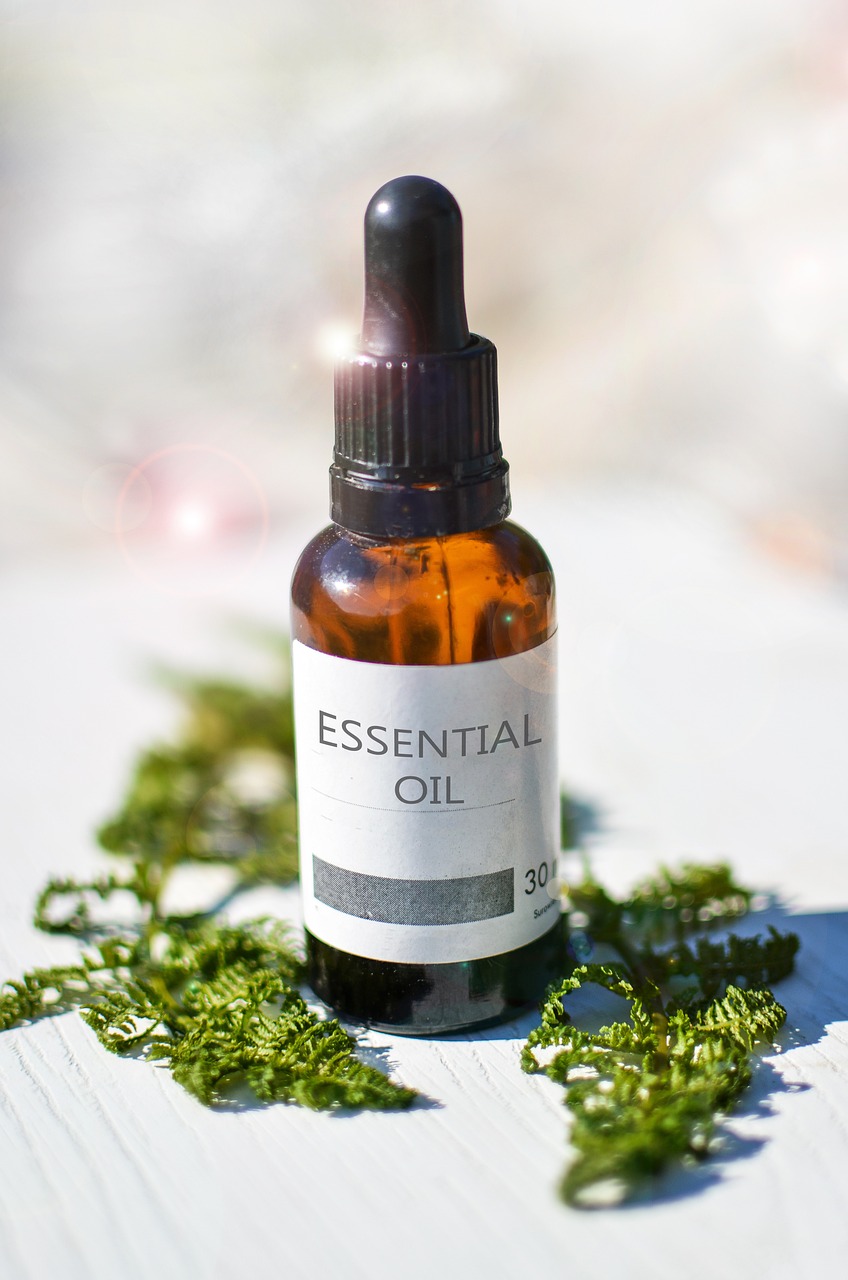
Essential oils should always be sold in dark glass bottles: amber or cobalt blue. UV light degrades the aromatic compounds over time. If a supplier ships black pepper oil in clear glass or, worse, plastic, move on.
Expiration or Batch Date
Black pepper essential oil has a shelf life of roughly two to three years when stored correctly. A reputable supplier will print a batch number or best-by date. Fresh stock matters, particularly if you are buying a larger bottle you plan to use over many months.

Breaking Down Each Size
5 ml: The Smart Starting Point
If this is your first black pepper essential oil bottle, start here. A 5 ml bottle gives you roughly 85 to 100 drops, which is enough for several weeks of diffuser sessions and small blending experiments. The investment is low enough that a quality miss will not sting.
This size is also a practical way to test a supplier's sourcing before committing to a larger order. Many brands offer sampler sets that include 5 ml bottles of several spice oils. If you are curious how black pepper compares to its closest aromatic relatives, our guide on black pepper vs. ginger vs. cardamom oil is a useful read before you decide on a set.
One note: the per-milliliter price at 5 ml is the highest you will pay. That is the cost of sampling. Accept it, and upgrade once you have a supplier you trust.
10 ml: The Everyday Personal Use Size
This is the most popular which essential oil size to buy for individual users. At 10 ml, you have enough oil for consistent daily diffusion without the risk of the oil sitting unused long enough to oxidize. The per-milliliter price drops noticeably compared to a 5 ml, and the bottle remains compact and easy to store.
If you diffuse a few times per week and occasionally add a drop or two to a DIY project, a 10 ml bottle will last you approximately six to ten weeks depending on your habits.
15 ml: The Blender's Starting Volume
Many U.S.-based essential oil brands (Young Living, doTERRA, Rocky Mountain Oils) default to the 15 ml as their standard retail size, which reflects its popularity with regular users. At 250 to 300 drops, a 15 ml bottle supports both consistent diffusion and more ambitious blending experiments.
Black pepper is a standout base note and fixative in perfumery. If you are beginning to explore formulation work, a 15 ml gives you enough volume to prototype several compositions without running dry mid-project. For a deeper look at how the oil performs in fragrance blending, our complete guide to black pepper oil blending and perfumery covers the topic in full.
30 ml: For Frequent Users and Small-Batch Makers
The 30 ml black pepper essential oil bottle is where the economics shift meaningfully in the buyer's favor. Per-milliliter pricing is often 20 to 35 percent lower than the 10 ml equivalent from the same brand. At this volume, you are looking at 500 or more drops.
This size suits people who diffuse daily, incorporate black pepper oil into body scrubs or massage blends on a regular basis, or make small batches of personal care products. A 30 ml bottle, stored properly in a cool, dark place, should remain in excellent condition for up to two years.
One practical tip: if you buy a 30 ml bottle, consider decanting a portion into a smaller working bottle. The less air exposure the main bottle gets, the slower it oxidizes.
100 ml: Cosmetic Formulators and Cottage Producers
At 100 ml, you are entering formulator territory. This size makes sense if you are producing small runs of candles, soaps, room sprays, or skincare products that call for black pepper as an ingredient. The per-milliliter savings are significant, but you need to be confident you will work through the volume within a reasonable period.
Storage discipline is essential at this size. A 100 ml bottle left in a warm workshop or with a poorly sealed cap will degrade faster than its price per drop deserves.
500 ml and Above: Wholesale and Bulk Buying
Bulk black pepper oil is sold by volume or weight, typically in aluminum tins or large dark glass vessels. This territory belongs to manufacturers, large-scale cosmetic producers, and wholesale buyers who need consistent supply at favorable pricing. If this is where your operation is headed, the sourcing and pricing dynamics are distinct enough to warrant their own research. Our guide to wholesale black pepper oil, bulk sizes, and pricing covers what you need to know before contacting suppliers at that scale.
Red Flags to Avoid
The essential oil market has no shortage of questionable products. These are the warning signs that should prompt you to look elsewhere.
- "Fragrance oil" or "perfume oil" mislabeled as essential oil. These are synthetic or diluted products and will not behave like a genuine steam-distilled black pepper essential oil.
- No GC/MS documentation available. A supplier who cannot or will not share testing data is asking you to take their word for purity.
- Suspiciously low pricing. Genuine black pepper essential oil is not cheap to produce. If a 15 ml bottle is priced at $3, the oil is almost certainly adulterated or misrepresented.
- No botanical name on the label. The label must say Piper nigrum. Vague labeling is a quality signal.
- Clear glass or plastic bottles. This indicates either poor sourcing practices or that the product was not formulated for quality preservation.
- No country of origin disclosed. Origin affects aroma profile and traceability. Suppliers with nothing to hide list it prominently.
Where to Buy Black Pepper Essential Oil
Sourcing matters. Here is a practical breakdown of your main options.
Specialty Essential Oil Retailers
Brands such as Plant Therapy, Rocky Mountain Oils, Florihana, and Eden Botanicals publish GC/MS reports for their products and offer a range of bottle sizes. These are reliable starting points for most buyers. Pricing is transparent and customer service teams are generally knowledgeable about sourcing.
Direct-from-Distillery Suppliers
Some small distilleries in India, Sri Lanka, and Vietnam sell directly or through specialty importers. These sources can offer fresher stock and more detailed origin information, but require more research on your part to verify quality and shipping practices.
Large Marketplaces
Platforms like Amazon carry essential oils, but quality control is inconsistent. If you buy through a marketplace, purchase only from the brand's own storefront and verify that GC/MS data is accessible. Third-party resellers on open marketplaces carry higher risk of counterfeit or degraded stock.
Wholesale and B2B Platforms
For bulk black pepper oil sizes at 100 ml and above, platforms like Alibaba and direct supplier directories connect buyers with international distilleries. Request samples and GC/MS reports before committing to any bulk order.
Matching Size to Your Actual Usage
The right black pepper oil size is the one you will finish within the oil's optimal window. Here is a simple framework.
- Diffuse occasionally (a few times a month): Start with a 5 ml or 10 ml bottle. Use it up before moving to a larger size.
- Diffuse several times a week: A 15 ml bottle is your baseline. Consider a 30 ml if the per-milliliter savings are meaningful to you.
- Blend regularly for personal care or home fragrance: Work at 30 ml. Decant to a smaller working bottle and seal the main stock tightly.
- Produce small batches of personal care products: Start at 100 ml and track your usage rate before scaling further.
- Manufacture or wholesale: Move to bulk pricing and work with a dedicated supplier relationship.
One last thought worth holding onto: the best black pepper essential oil bottle is not the largest or the cheapest. It is the one that arrived fresh, came from a traceable source, and gets used regularly enough that you open a new bottle before the current one has time to age past its prime. Start at the size that matches your honest habits, and scale from there.